
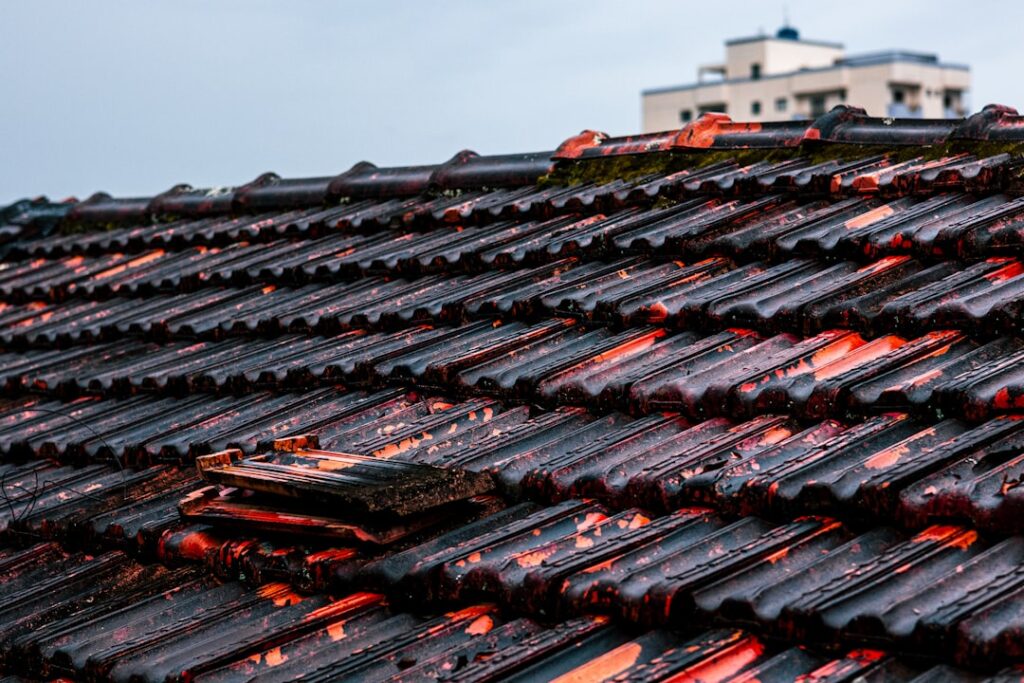
Why a Leak in Roof Repair Can’t Wait
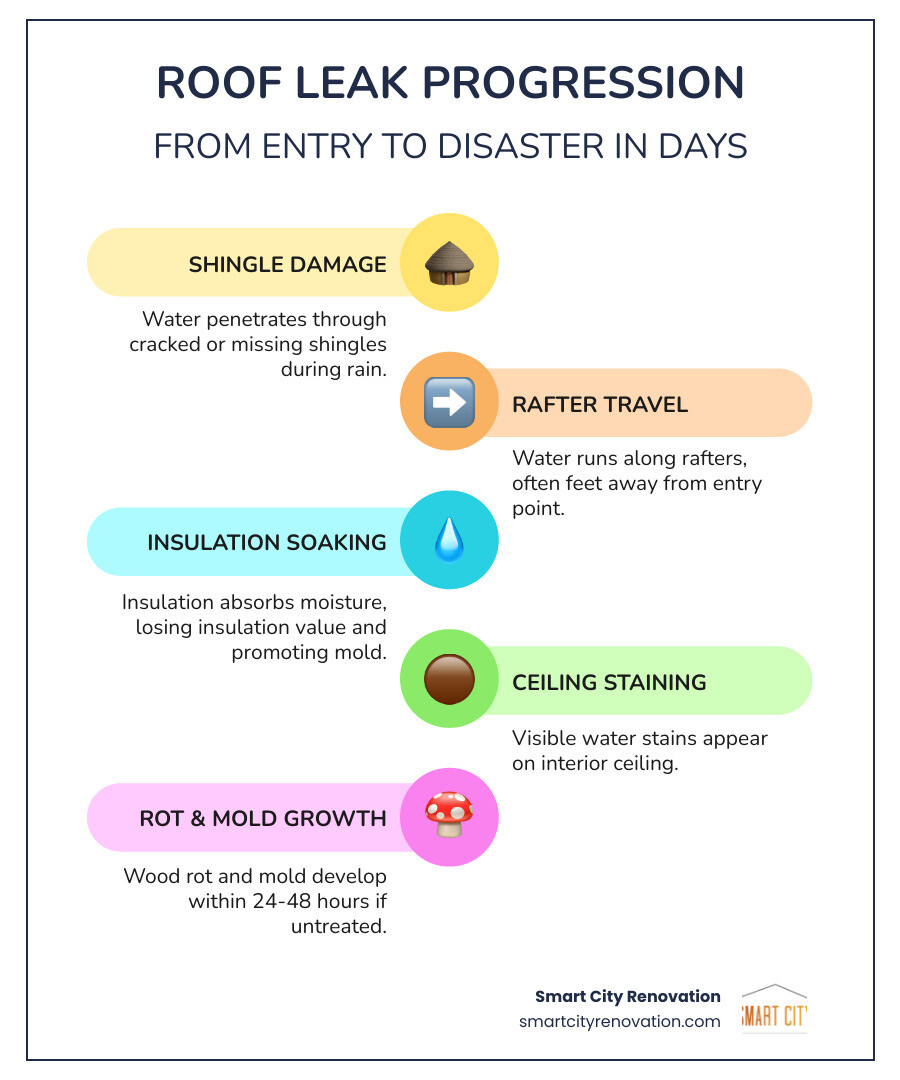
A leak in roof repair is one of the most urgent home maintenance issues you’ll face as a homeowner. Water doesn’t stop moving once it gets past your shingles — it travels along rafters, soaks into insulation, and shows up on your ceiling feet away from where it actually entered.
Here’s a quick overview of what to do and what it costs:
| Situation | Recommended Action | Typical Cost (2026) |
|---|---|---|
| 1-2 damaged shingles | DIY or pro repair | $150 – $500 |
| Cracked flashing | Professional repair | $200 – $500 |
| Failed pipe boot | Professional repair | $750 – $1,250 |
| Active leak (emergency) | Tarp now, call a roofer | $100 – $300 (tarp) |
| >30% of roof damaged | Full replacement | $8,000 – $20,000+ |
The bottom line: Even a small leak can cause mold growth within 24-48 hours. Act fast, protect your interior, then find and fix the source.
Roof leaks often go unnoticed until a water stain appears on the ceiling — or worse, you wake up at 2 AM to the sound of dripping water during a storm. By that point, water has usually been working its way through your roof structure for longer than you’d like to think. The good news? Most leaks have clear causes and proven fixes — if you know where to look.
I’m Norbert, a general contractor with 25 years of roofing and construction experience across the Chicagoland area, and leak in roof repair is something my team at Smart City Renovation handles regularly for homeowners throughout Des Plaines, Chicago, Park Ridge, and Niles. In this guide, I’ll walk you through exactly how to find, fix, and prevent roof leaks — so you can make smart decisions fast.
Immediate Response and Damage Mitigation
When you discover a leak in the middle of a Chicagoland downpour, your first priority isn’t the roof—it’s your living room. Water damage scales exponentially; what starts as a damp spot can quickly evolve into a ruined hardwood floor or a sagging ceiling.

Step 1: Contain the Water
Clear the area. Move electronics, furniture, and valuables out of the splash zone. If you have a bulging spot on your ceiling, don’t just watch it. A bulge means water is pooling behind the drywall. Grab a bucket and carefully puncture the center of the bulge with a screwdriver or a small drill bit. This “pressure relief” hole directs the water into your bucket rather than letting it spread horizontally across the ceiling, which could lead to a sudden, messy collapse.
Step 2: Moisture Extraction
Once the water is contained in a bucket, use a wet/dry vac to pull moisture out of carpets or rugs. We often recommend our clients in Arlington Heights and Skokie use fans and dehumidifiers immediately to circulate air. As an experienced Interior Construction Contractor, we know that mold can begin to colonize within 24 to 48 hours. Reducing humidity is your best defense.
Step 3: Temporary Tarping
If the rain has stopped and it is safe to do so, a temporary tarp can prevent further intrusion. This is a stop-gap measure, not a permanent leak in roof repair.
- Safety first: Never get on a roof during a storm, high winds, or if the roof is steep and slippery.
- The 4-Foot Rule: Your tarp should extend at least 4 feet past the suspected leak source and over the ridge (peak) of the roof to prevent water from running under the top edge of the tarp.
- Secure it: Use 2×4 wooden planks to weigh down the edges, or sandbags. Avoid nailing directly into the roof if possible, as this creates more holes to fix later.
Step 4: Documentation
Before you call us or your insurance agent, take photos. Document the ceiling stain, the bucket, and the exterior of the roof if visible. This evidence is crucial for insurance claims. As a General Contractor, we often help homeowners navigate these documents to ensure the full scope of damage is covered.
Identifying the Source of a Leak in Roof Repair
Finding the source of a leak is often harder than fixing it. Water is sneaky. It might enter through a cracked vent pipe in the middle of the roof, run down a rafter for six feet, and finally drip onto your bedroom ceiling.
Locating a Leak in Roof Repair from the Attic
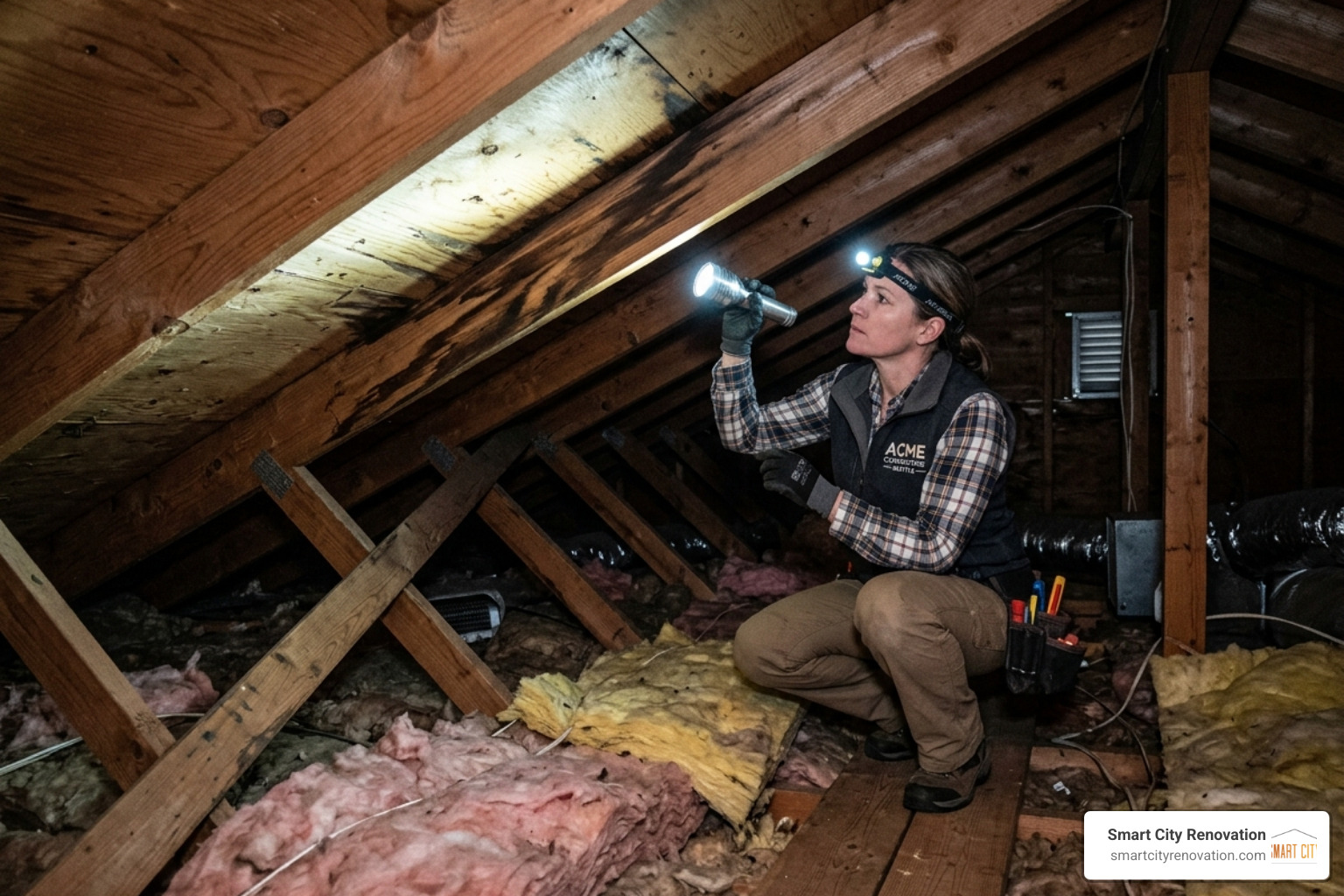
The attic is the best place to start. If you have a crawl-in attic, wait for a rainy day or head up immediately after a storm with a bright flashlight.
- Look for “Shiners”: These are nails that missed the rafter. In cold weather, frost forms on these nails; when it melts, it looks like a leak.
- Trace the Stains: Water leaves a trail. Look for dark stains or “tide marks” on the plywood sheathing or along the rafters.
- Check the Insulation: Damp or matted insulation is a dead giveaway.
- The “Daylight” Test: In some cases, you might see actual sunlight peeking through a gap near a chimney or vent. If light can get in, water definitely can.
Sometimes a leak isn’t a roof issue at all. If you notice water stains near a bathroom, you might actually need a Plumber to check for a leaking pipe in the attic or wall.
Using the Hose Test for a Leak in Roof Repair
If the weather is dry and you can’t find the source, it’s time to play “artificial rain.” This requires two people: one on the roof with a garden hose and one in the attic with a flashlight.
- Start Low: Begin soaking the roof just above where the leak appears inside.
- Be Patient: Spend at least 5-10 minutes on each section.
- Work Upwards: Slowly move the hose higher, focusing on “penetrations” like vents, chimneys, and valleys.
- Communicate: Use a cell phone to stay in touch. When the person in the attic sees a drip, you’ve found your culprit.
Common Causes and DIY vs. Professional Leak in Roof Repair
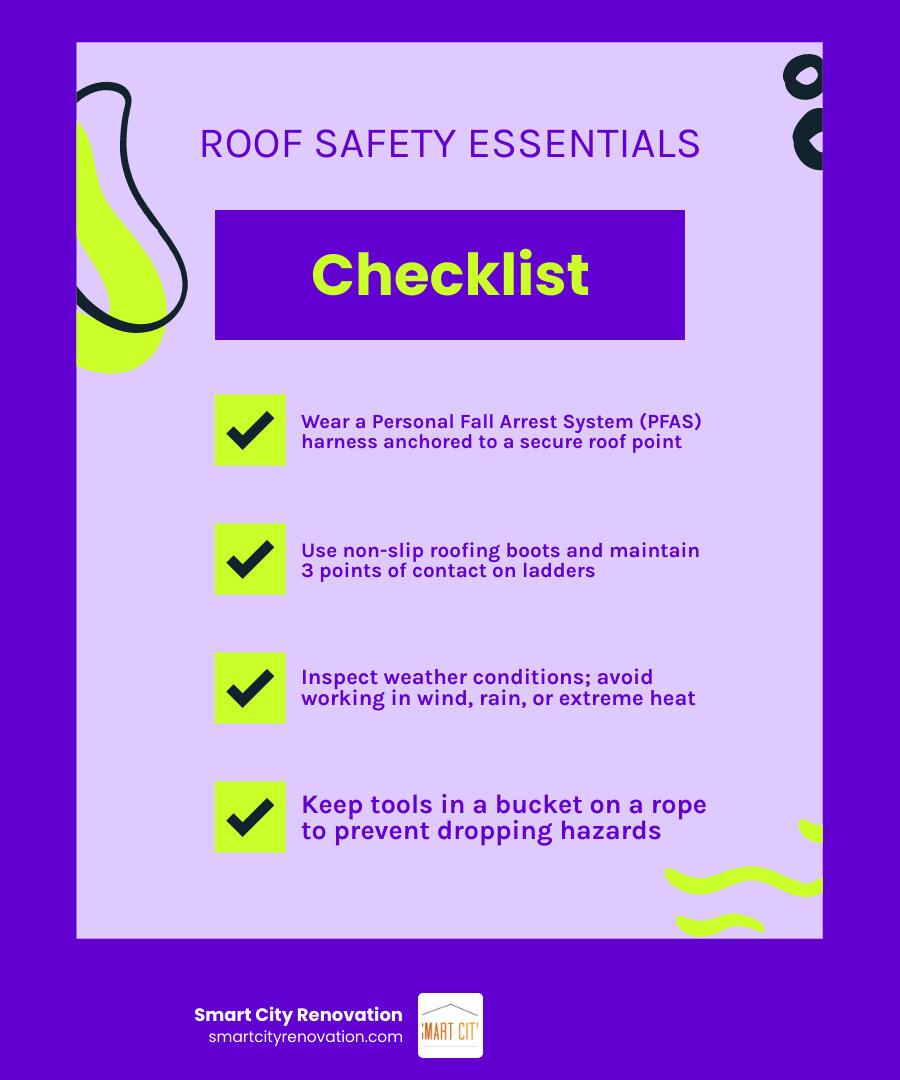
Not all leaks are created equal. Some are simple weekend projects, while others require the specialized equipment of a Roofing Contractor. Safety is the most critical factor; always refer to OSHA safety guidelines regarding fall protection before attempting to access your roof.
| Cause | DIY Feasibility | Risk Level | Why Hire a Pro? |
|---|---|---|---|
| Damaged Shingles | High | Low | If you’re comfortable on a ladder, this is a basic fix. |
| Clogged Gutters | High | Low | Water backs up under shingles; simple cleaning solves it. |
| Cracked Pipe Boot | Medium | Moderate | Requires prying up shingles; must be sealed perfectly. |
| Flashing Failure | Low | High | Complex metalwork around chimneys/valleys; high leak risk. |
| Ice Dams | Low | High | Requires steam or specialized removal to avoid roof damage. |
| Structural Sagging | None | Extreme | Indicates rot; requires a General Contractor. |
Step-by-Step Leak in Roof Repair for Damaged Shingles
If you have a few shingles that are curled, cracked, or missing, you can often handle the repair yourself on a warm day (which makes shingles more flexible).
- Remove the old shingle: Use a flat pry bar to carefully lift the shingles in the row above the damaged one. Pop the nails out.
- Slide in the new shingle: Match the shingle type and color. Rounding the back corners slightly with a utility knife can make it slide in easier.
- Nail it down: Use galvanized roofing nails. Don’t nail into the “seal strip”—nail just above it.
- Seal the deal: Apply a small dab of roofing cement to the nail heads and under the tabs of the new shingle to ensure it bonds to the row below.
You can see examples of these smaller repairs in our Our Work section, where we document everything from minor patches to full overhauls.
Addressing a Leak in Roof Repair Around Vents and Flashing
The most common “leak in roof repair” calls we get in Buffalo Grove and Northbrook involve penetrations. These are areas where something (a pipe, a chimney, a vent) pokes through the roof.
- Plumbing Vent Boots: These rubber seals often crack after 10-15 years of Chicagoland’s harsh UV rays and freeze-thaw cycles. If the rubber is rotted, the whole boot needs replacement.
- Step Flashing: This is the L-shaped metal that protects the joint where the roof meets a wall or chimney. If it’s rusted or loose, water will pour right into your wall.
- Silicone vs. Caulk: For small cracks in metal vents, a high-quality waterproof silicone caulk can work. However, never use standard “latex” house caulk on a roof; it won’t hold up to the heat.
If you are planning a larger renovation, like an addition, your Remodeler should always inspect these flashing points to ensure the new structure integrates seamlessly with the old roof.
2026 Cost Analysis and Insurance Claims
Budgeting for a leak in roof repair in 2026 requires understanding that labor is your biggest expense. In the Chicagoland area, labor typically accounts for 60% of the total repair cost.
Typical Repair Costs in 2026
- Minor Repair ($200 – $1,000): This covers basic shingle replacement, gutter cleaning, or resealing a few vents.
- Major Repair ($1,500 – $8,000): This involves replacing large sections of the roof deck (plywood), fixing extensive flashing around chimneys, or repairing valleys.
- Inspection Fees ($100 – $600): Many pros charge a fee to climb up and find the leak, which is often credited back if you hire them for the repair.
Factors That Drive Prices Up
- Roof Pitch: If your roof is very steep, contractors must use specialized safety harnesses and scaffolding, adding $1,000 to $3,000 to the bill.
- Materials: Asphalt is the most affordable. Repairing slate, tile, or high-end metal roofs requires specialized skills and more expensive materials.
- Water Damage: If the leak was ignored, you might also need an HVAC Contractor to check for mold in your ductwork or a contractor to replace rotted structural rafters.
Insurance: Will They Pay?
Homeowners insurance generally covers roof leaks if they are caused by a “sudden and accidental” event, like a hail storm or a fallen tree limb. However, they often deny claims caused by lack of maintenance. If your roof is 30 years old and the shingles are simply worn out, insurance likely won’t foot the bill for the repair. Always check your policy for “wind and hail” exclusions.
Prevention and Replacement Indicators
In our 25 years serving Elk Grove Village and Schaumburg, we’ve found that 90% of roof leaks could have been prevented with $200 worth of annual maintenance.
The Maintenance Checklist
- Clean Your Gutters: Twice a year. Clogged gutters cause water to back up under the “drip edge” and rot your roof’s fascia boards.
- Trim the Trees: Keep branches at least 3 feet away from your roof. This prevents squirrels from getting on the roof and stops branches from scraping off the protective granules of your shingles.
- Check the Sealant: Every 3-5 years, the sealant around your vents and chimney should be inspected and touched up.
- Annual Professional Inspection: For a small fee, a Roofing Contractor can spot a “popped nail” or a cracked boot before it becomes a $5,000 interior disaster.
When to Stop Repairing and Start Replacing
We follow the 30% Rule: If more than 30% of your roof is damaged or shows signs of failure (like widespread granule loss or curling shingles), a leak in roof repair is just a band-aid. You are better off investing in a full replacement.
- Asphalt Shingles: Usually last 20-25 years.
- Metal Roofing: Can last 50+ years but has higher upfront costs.
- Sagging: If you see “dips” in your roofline, the structural decking is likely rotted and needs immediate attention.
Check out our full list of Services to see how we can help maintain your home’s exterior integrity.
Frequently Asked Questions about Roof Leaks
Is it normal for a roof to leak only during heavy rain?
It’s common, but it’s definitely not “normal.” A roof that only leaks during a torrential downpour or wind-driven rain usually has marginal damage. This means the flashing or shingles are mostly working, but under high pressure or specific wind directions, water is forced into gaps that stay dry during light showers. Clogged gutters are also a frequent culprit here; when they overflow, the water has nowhere to go but up under your shingles.
Can I fix a roof leak from the inside of my house?
Technically, no. You can divert a leak from the inside by using plastic sheeting to funnel water into a bucket, but you cannot fix it. The entry point is on the outside. Applying sealant to the underside of your roof deck in the attic will only trap water inside the wood, leading to faster rot and potentially hiding the problem until your roof deck fails completely.
How long can I wait to repair a small leak?
You have a roughly 24 to 48-hour window before mold begins to grow. Even if the “drip” stops when the rain ends, the moisture trapped in your insulation and wood continues to cause damage. Waiting even a few weeks can turn a $400 shingle fix into a $4,000 mold remediation project. Furthermore, insurance companies can deny claims if they determine the damage was worsened by homeowner negligence (ignoring a known leak).
Conclusion
A leak in roof repair is a test of your home’s defenses, but it doesn’t have to be a disaster. By acting quickly to mitigate damage, accurately tracing the source, and knowing when to call in the professionals, you can protect your investment and your family.
At Smart City Renovation, we’ve spent 25 years mastering the specific challenges of Chicagoland weather—from the heavy snows in Palatine to the summer storms in Hoffman Estates. Whether you need a quick patch or a comprehensive roof replacement, our team of experts is ready to provide a professional inspection and lasting results.
Don’t let a small drip turn into a major headache. Contact our Roofing Contractor team today for a consultation. We serve homeowners across Des Plaines, Mount Prospect, Park Ridge, and the entire surrounding area with the quality and integrity your home deserves.