
When Your Drains Stop Working: What a Clogged Sewer Line Means for Your Home
A clogged sewer line is one of the most disruptive plumbing problems a homeowner can face — and it rarely gives much warning before things get messy.
Quick answer: How to deal with a clogged sewer line
- Stop using water — don’t flush toilets or run sinks
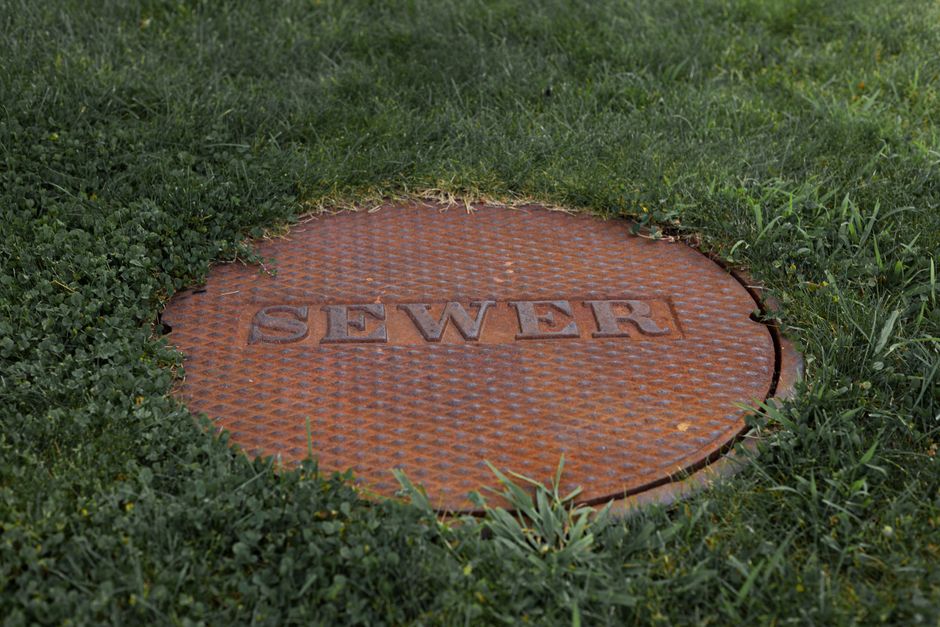
- Locate your sewer cleanout — a capped pipe near the foundation or yard — and open it to relieve pressure
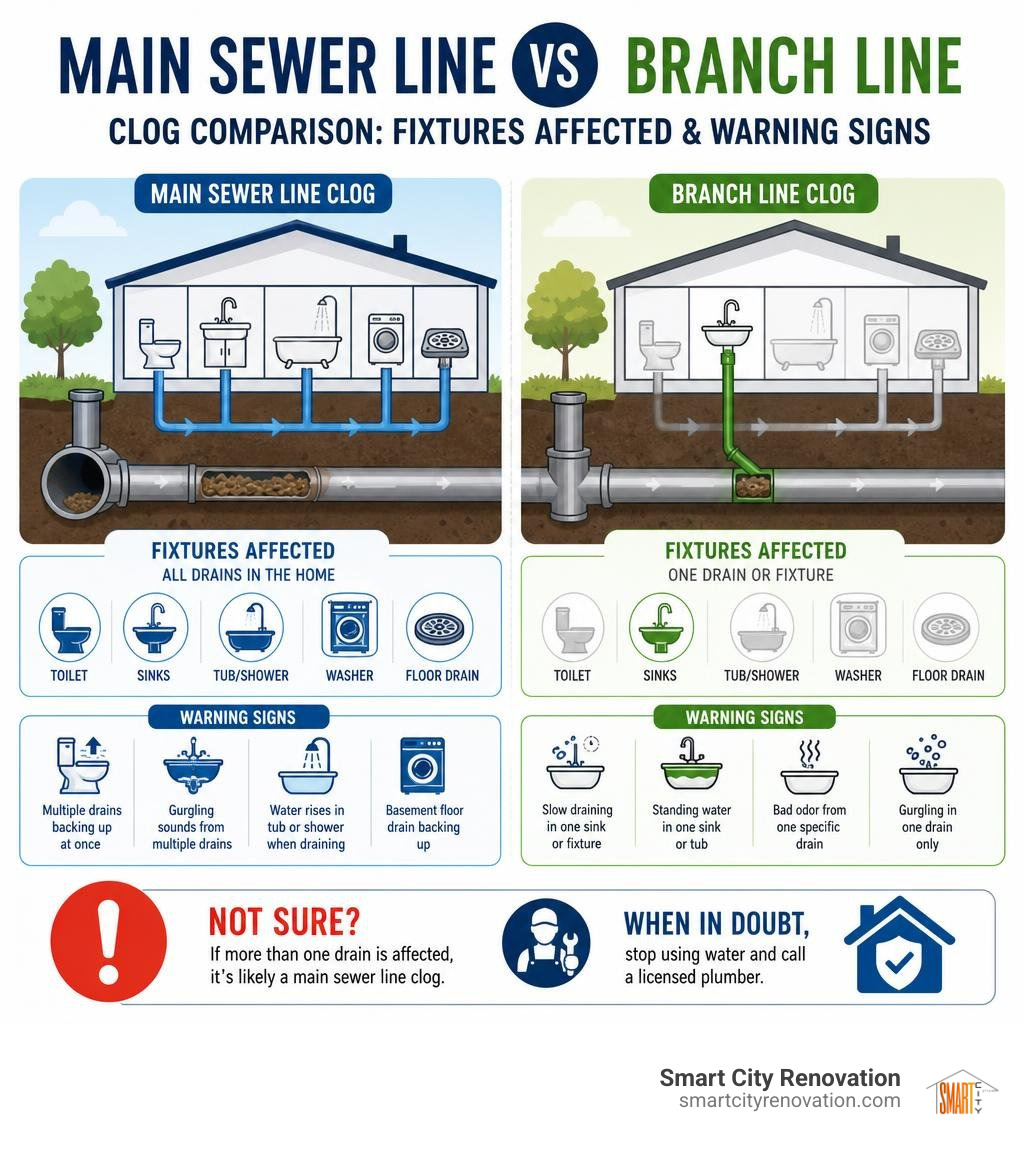
- Check multiple fixtures — if more than one drain is slow or backing up, it’s likely a main line issue
- Call a licensed plumber — main sewer line clogs require professional tools like a drain snake, hydro-jetter, or camera inspection
- Do not use chemical drain cleaners — they won’t reach or clear a main line blockage
Unlike a single slow sink, a main sewer line clog affects every drain in your home at once. That’s the key difference. When you flush a toilet and water rises in your shower, or run the washing machine and the basement drain backs up — that’s your main sewer line signaling a problem.
Left untreated, a blocked sewer line can expose your household to raw sewage, structural damage, and repair bills ranging from a few hundred dollars for a simple snaking to several thousand for pipe replacement.
I’m Norbert, a licensed plumber and general contractor with 25 years of hands-on experience solving clogged sewer line problems across the Chicago area. In this guide, I’ll walk you through exactly how to diagnose, clear, and prevent sewer line clogs — step by step.
How to Identify a Clogged Sewer Line
Recognizing the early symptoms of a main line blockage can save you from a major household disaster. When a main line is blocked, the wastewater has nowhere to go, so it backs up into your home at the lowest points.
Here are the most common warning signs that your main line is in trouble:
- Multiple slow drains occurring simultaneously: If your kitchen sink, bathtub, and guest bathroom toilet are all draining at a snail’s pace, the problem is not isolated to a single pipe.
- Gurgling toilets and drains: When you run water in the bathroom sink or flush a toilet, do you hear a wet, bubbling, or gurgling sound coming from the bathtub or nearby floor drains? This happens because trapped air in the sewer lateral is forcing its way back up through the water in your P-traps.
- Foul sewer odors: If a persistent rotten-egg smell or raw sewage odor wafts from your floor drains or basement sinks, it is a clear sign that waste is sitting stagnant in your pipes instead of flowing out to the municipal system.
- Sewage backing up into fixtures: In severe cases, raw sewage or dark, dirty water will physically pool in your bathtubs, showers, or basement floor drains.
For homeowners in our local service areas, understanding how your home connects to the local infrastructure is critical. For instance, the public works guidelines outlined by the Sewer System | City of Des Plaines, IL show that while the city maintains the main municipal sewer lines under the streets, homeowners are entirely responsible for the maintenance and repair of the private sewer lateral running from the house to the municipal connection.
Main Line vs. Single Drain: Is Your Clogged Sewer Line Isolated?
How can you tell the difference between a simple, localized clog and a full-blown main line emergency? It all comes down to scope and location.
If only your kitchen sink is backed up, but your toilets flush perfectly and your shower drains without a hitch, you are dealing with a localized branch line clog. You can usually resolve this with a plunger, a hand snake, or by reading our Step-by-Step Bathtub Drain Replacement Guide for localized drain fixes.
However, a clogged sewer line in the main lateral affects everything. To confirm a main line blockage, you can perform what we plumbers call the Fixture Reaction Test:
- Go to the bathroom closest to the ground floor or basement.
- Flush the toilet while watching the nearby bathtub or shower drain. If water or bubbles rise in the tub drain, you have a main line clog.
- Turn on the bathroom sink faucet and let it run for 1 to 2 minutes. Watch the toilet bowl. If the water level in the toilet fluctuates, bubbles, or starts rising, the main line is obstructed.
- Run your washing machine. If the drain cycle causes your basement floor drain to overflow or the adjacent utility sink to fill with soapy water, the main lateral is blocked.
Because gravity rules your plumbing system, your lowest fixtures will always show symptoms first. This means your basement floor drains, basement showers, and utility tubs are the primary battlegrounds. If you are dealing with a flooded lower level, check out our guide on plumbing help for when your basement becomes a lake to minimize structural rot, mold, and biohazard risks. This is especially vital if you are planning a future basement remodeling or reading up on Basement Remodeling 101 to protect your finished investment.
Immediate Steps to Take When You Suspect a Clogged Sewer Line
If your Fixture Reaction Test confirms a main line blockage, you must act quickly to prevent dirty water from ruining your floors and drywall.
Follow these steps immediately:
- Stop using all water: Do not flush any toilets, run the dishwasher, use the washing machine, or turn on any faucets. Every drop of water you put down the drain will have nowhere to go but up and out of your lowest fixtures.
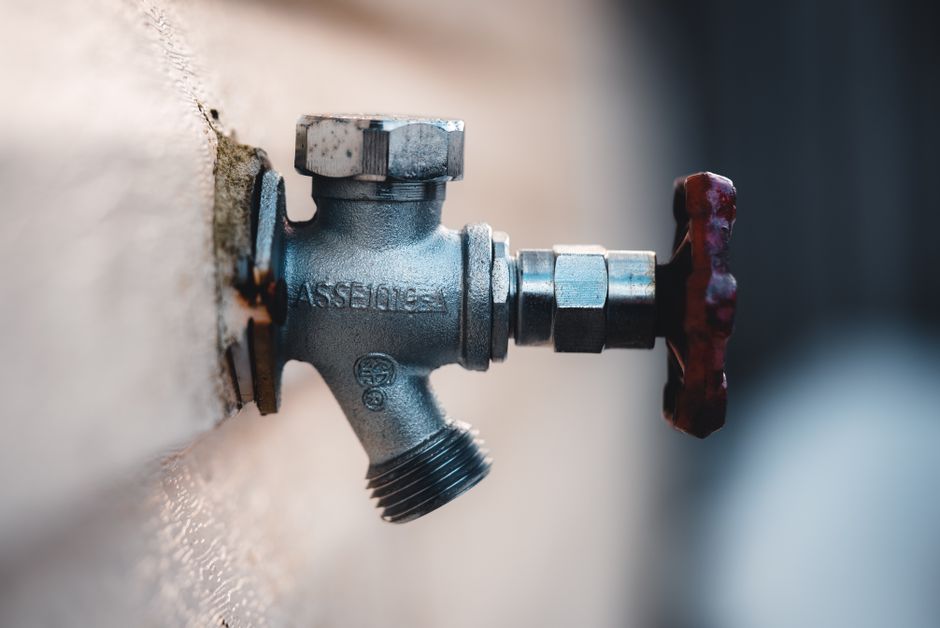
- Shut off your main water valve: To ensure no automatic appliances (like water softeners, ice makers, or humidifiers) run water into the system, locate your home’s main water shut-off valve (usually in the basement or utility closet) and turn it off completely.
- Locate your sewer cleanout: The sewer cleanout is a dedicated pipe with a screw-on cap (either rubber or a metal mushroom cap) that provides direct access to your main sewer line. It is typically 3 to 4 inches in diameter and located outside near the foundation of your home, often hidden near bushes or landscaping. Note: Homes built before 1978 may lack an outdoor cleanout.
- Relieve the pressure: If you have an outdoor cleanout, slowly unscrew the cap. Be prepared to step back! If the line is heavily backed up, releasing the cap will relieve the hydraulic backpressure, causing wastewater to spill out onto your lawn instead of flooding your basement.
- Call a professional: Main line clogs cannot be cleared with consumer-grade hand snakes, which only reach 15 to 25 feet. You need heavy-duty professional equipment to safely clear the line.
Common Causes and Prevention of Sewer Blockages
Sewer lines are buried underground, making them susceptible to several structural and environmental forces. Understanding what is happening beneath your lawn is key to preventing future blockages.
- Tree roots (The #1 Culprit): Tree roots are incredibly strong and naturally seek out moisture. Older pipe materials, such as clay or cast iron, have joints that can loosen over time. Tiny hair-like roots slip into these joints, feeding on the nutrient-rich wastewater. As they grow, they form a dense, net-like root mass inside the pipe that catches toilet paper, grease, and waste, eventually causing a total blockage.
- Grease, fats, and oils (FOG): Pouring warm cooking grease down the kitchen sink is a recipe for disaster. As the grease travels down your cold sewer pipes, it cools, solidifies, and clings to the pipe walls. Over time, this grease layer thickens, narrowing the pipe’s diameter until even small amounts of toilet paper can cause a backup.
- Foreign objects and “flushable” wipes: Despite what the packaging claims, flushable wipes do not disintegrate in water like toilet paper does. They remain completely intact, snagging on pipe imperfections, rust, or tree roots to form tough, impenetrable blockages. The same goes for paper towels, feminine hygiene products, dental floss, and children’s toys.
- Pipe age, corrosion, and structural failure: Over several decades, sewer pipes degrade. Cast iron pipes corrode internally, creating rough scale buildup that catches debris. Clay pipes crack under soil pressure, and Orangeburg pipes (made of tar-paper-like material) flatten and collapse entirely.
Here is a quick look at the common sewer pipe materials we encounter in older Chicagoland homes:
| Pipe Material | Common Era of Use | Typical Lifespan | Common Failure Modes |
|---|---|---|---|
| Vitrified Clay | 1900s – 1970s | 50 – 60 Years | Root intrusion at joints, cracking, offset joints |
| Cast Iron | 1900s – 1980s | 50 – 75 Years | Internal rust scale, bottom channel corrosion, cracking |
| Orangeburg | 1940s – 1970s | 30 – 50 Years | Flattening, delamination, total structural collapse |
| PVC / ABS | 1970s – Present | 100+ Years | Shifting soil alignment, physical puncture from heavy digging |
Understanding the difference between structural issues and simple blockages is essential for determining the right repair method and protecting your home’s plumbing system.
Professional Methods to Clear and Jet Your Sewer Pipes
When a main sewer line backs up, DIY plungers and chemical drain cleaners will not solve the problem. Chemical cleaners are highly toxic, bad for the environment, and can actually generate heat that damages older pipes. Instead, professional plumbers use a systematic, code-compliant approach to diagnose and clear the line safely.
1. Sewer Camera Inspection (The Diagnostic Gold Standard)
Before we insert any cleaning tools into your sewer lateral, we perform a high-definition sewer camera inspection. We feed a flexible, fiber-optic video camera (which can reach up to 400 feet) down your cleanout. This allows us to see exactly what is causing the blockage — whether it is a soft clog, a massive root intrusion, or a structurally collapsed pipe.
2. Mechanical Snaking (Sewer Rodding)
For decades, mechanical rodding has been the standard method for clearing tough blockages. A professional sewer machine feeds a heavy-duty, motorized steel cable with a sharp, specialized cutting blade into the pipe. As the blade rotates, it cuts through tree roots, breaks up solid obstructions, and punches a hole through the clog to restore flow.
For residents in local suburbs, finding a trusted nearby service is essential to address these issues before they cause severe water damage to your home.
3. Hydro-Jetting (The Ultimate Clean)
While a mechanical snake is great for punching a hole through a clog, it often leaves grease and small root fragments behind. That is where hydro-jetting comes in.
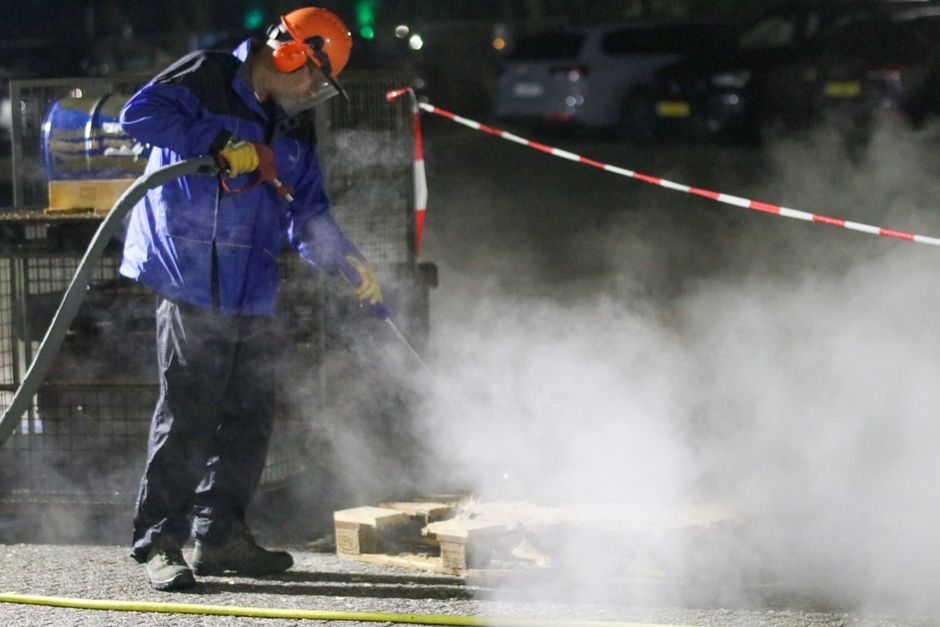
Hydro-jetting uses a specialized machine that pumps water through a multi-directional nozzle at approximately 4,000 PSI. The high-pressure water jets forward to blast through obstructions, while rear-facing jets scrub the entire inner circumference of the pipe wall clean. This removes grease, soap scum, scale deposits, and fine tree roots, restoring the pipe to nearly its original diameter.
If you are dealing with an urgent backup in the North Shore area, securing prompt professional assistance is critical to clearing the line and preventing hazardous waste from backing up into your living spaces.
4. Trenchless Pipe Repair and Replacement
If the camera inspection reveals that your pipe is cracked, sagging (bellied), or collapsed, cleaning it will only provide a temporary fix. In the past, repairing a broken sewer line meant digging a massive, destructive trench through your manicured lawn and driveway.
Today, we utilize trenchless sewer repair technologies:
- Cured-in-Place Pipe (CIPP) Lining: We insert an epoxy-saturated fiberglass liner into your existing pipe, inflate it, and let it cure. This creates a seamless, jointless, root-proof “pipe-within-a-pipe” with a 50-year lifespan.
- Pipe Bursting: We pull a heavy steel bursting head through your old, damaged pipe, breaking it apart while simultaneously pulling a brand-new, durable HDPE pipe into place behind it.
These trenchless methods allow for efficient, long-lasting repairs without the need for extensive excavation on your property.
Frequently Asked Questions about Sewer Line Clogs
Sewer issues can be stressful and confusing. Here are detailed answers to the most common questions homeowners ask us about clogged sewer line issues.
How much does it cost to clear a clogged sewer line?
The cost to resolve a sewer line issue depends heavily on the severity of the blockage, how accessible your sewer cleanout is, and whether the pipe has structural damage.
Based on national averages in June 2026:
- Average sewer line repair/clearing cost: $378 nationally, with typical ranges between $187 and $571.
- Basic drain snaking / rodding: $100 to $300 for a straightforward blockage.
- Hydro-jetting service: $350 to $600 for high-pressure cleaning.
- Sewer camera inspection: $250 to $700 on average, though complex inspections can range up to $4,000 depending on home requirements and municipal access.
- Tree root removal: $100 to $1,000. Clogs caused by tree roots are often twice as expensive to clear as soft sewage clogs because they require specialized cutting blades and post-clearing camera verification.
- Complete pipe replacement: $3,000 to $7,000 for standard trench repairs, and up to $25,000 for deep, complex excavations requiring municipal street permits.
Understanding these cost factors can help you make informed decisions when dealing with a sewer line emergency.
How can homeowners prevent future sewer line blockages?
Prevention is always cheaper than an emergency plumbing repair. To keep your sewer lateral flowing smoothly, follow these best practices:
- Schedule routine maintenance: Have your sewer line professionally inspected and cleaned every 18 to 24 months. This allows you to catch minor root intrusions or grease buildup before they turn into a basement-flooding emergency.
- Practice proper flushing habits: The only things that should ever be flushed down your toilets are human waste and standard toilet paper. Throw baby wipes, facial tissues, paper towels, and hygiene products in the trash.
- Dispose of grease properly: Never pour cooking oils, butter, lard, or greasy food scraps down your kitchen sink or garbage disposal. Scrape pan grease into an empty can, let it cool and solidify, and throw it in the garbage.
- Install drain screens: Use fine mesh screens over your shower and bathtub drains to catch hair and soap scum before they enter your waste lines.
- Keep trees away from sewer lines: If you are planting new trees or large shrubs, place them at least 50 feet away from the path of your underground sewer lateral to prevent future root intrusion.
Is hydro-jetting safe for older clay or cast iron pipes?
Hydro-jetting is highly effective, but it is not suitable for every sewer line. Because hydro-jetting uses water pressurized up to 4,000 PSI, it can easily crush or wash away sections of pipes that are already structurally compromised.
- Safe for: Modern PVC, ABS, and healthy, structurally sound cast iron pipes.
- Risky for: Extremely old, thin-walled cast iron, crumbling clay tile, or delaminating Orangeburg pipes.
A professional plumber will always perform a comprehensive sewer camera inspection before starting any hydro-jetting work. If the camera reveals that your clay pipes are cracked or have offset joints, we will recommend a gentler mechanical snaking or a trenchless pipe lining to protect the structural integrity of your system.
Conclusion
A clogged sewer line is a high-priority plumbing emergency that requires immediate attention. By recognizing the early warning signs — like multiple slow drains, gurgling toilets, and sewage odors — you can take action before raw sewage damages your home.
When you need reliable, expert plumbing support in the Chicagoland area, turn to the team at Smart City Renovation. With 25 years of general contracting, remodeling, and plumbing expertise, we serve homeowners and business owners across Des Plaines, Mount Prospect, Park Ridge, Niles, Glenview, Arlington Heights, Rosemont, Morton Grove, Skokie, Elk Grove Village, Schaumburg, Palatine, Buffalo Grove, Prospect Heights, Wheeling, Rolling Meadows, Hoffman Estates, Northbrook, Lincolnwood, Harwood Heights, and Norridge.
Don’t wait for a slow drain to turn into a basement lake. If you suspect your sewer line is struggling, contact our licensed professional plumber team today to schedule a camera inspection and keep your home flowing smoothly!