
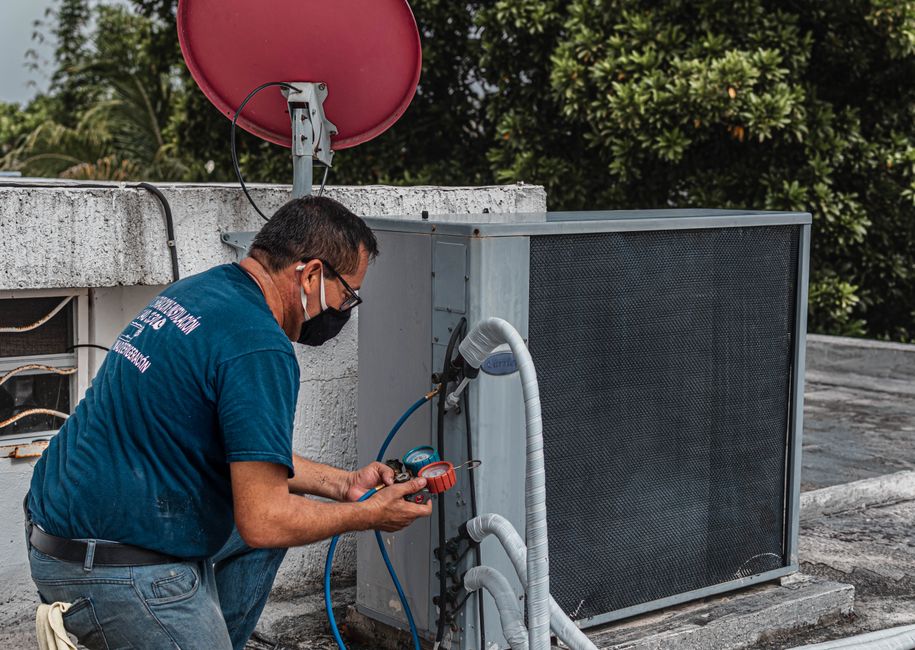
When Your AC Dies at Midnight: What You Need to Know About 24 Hour HVAC Service
24 hour HVAC service means emergency heating and cooling repair available any time — nights, weekends, and holidays — when your system fails outside of normal business hours.
Quick answer: What does 24 hour HVAC service include?
- Emergency dispatch — a live person answers your call and sends a technician, any time of day
- System diagnostics — the technician identifies the problem on arrival
- On-the-spot repairs — most companies stock trucks with common parts to fix issues in one visit
- Upfront pricing — you get a clear cost estimate before any work begins
- Licensed technicians — certified professionals handle electrical, refrigerant, and gas components safely
Your heating or cooling system does not care that it is 11 PM on a Sunday in July. When it stops working during a Chicago heatwave — or a deep winter freeze — the discomfort can turn dangerous fast. Extreme heat is one of the leading causes of weather-related deaths in the United States, and thousands of people are hospitalized every year from heat-related illness alone. That is exactly why knowing who to call, and what to expect, matters before an emergency happens.
I’m Norbert, a licensed HVAC contractor and general contractor at Smart City Renovation, with 25 years of Chicagoland construction experience — including 24 hour HVAC service calls during some of the region’s worst summer and winter extremes. In the sections below, I’ll walk you through everything you need to know to handle an HVAC emergency confidently.
Why Homeowners Rely on a 24 Hour HVAC Service

When your climate control system fails, it is rarely a convenient “9-to-5” issue. As homeowners, we often take our indoor climate for granted until the air coming out of the vents suddenly turns warm in July or ice-cold in January. Having access to a reliable 24 hour HVAC service provider is not just a luxury; it is a fundamental component of home safety and peace of mind.
Whether you are dealing with a furnace that refuses to ignite during a January blizzard or an air conditioner that gives up during a humid July night, having a dedicated team of professionals ready to deploy is essential. For detailed insights on keeping your heating systems running during the colder months, you can also check out The Ultimate Guide to Heating Repair.
Protecting Health and Safety During Extreme Weather
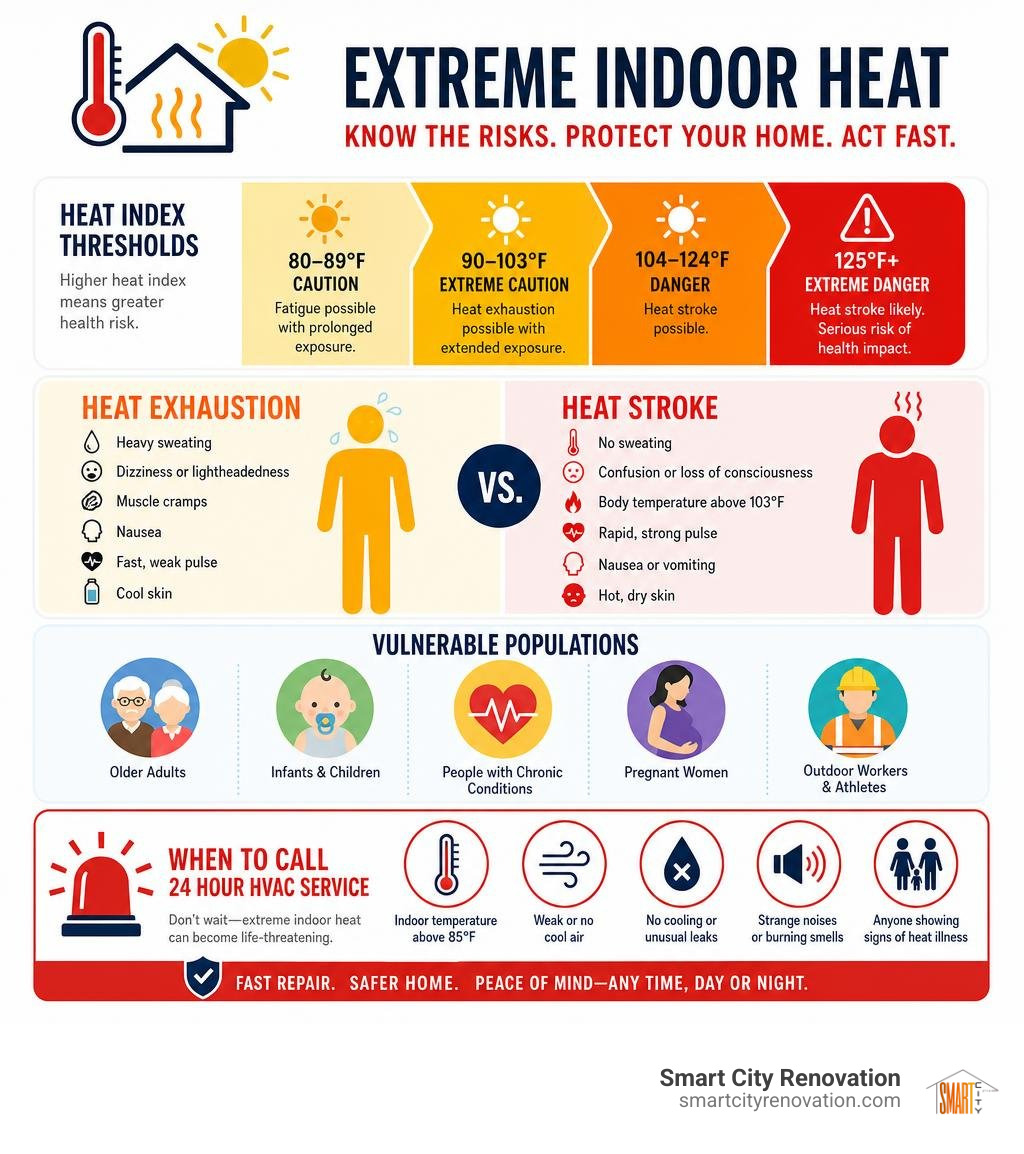
The primary reason emergency HVAC services exist is safety. When outdoor temperatures climb into the 90s or 100s, indoor temperatures can quickly match or exceed those levels, creating a greenhouse effect inside your home.
- Heat Exhaustion and Heat Stroke: When the outdoor heat index exceeds 90°F, the risk of heat exhaustion rises significantly. Once that index climbs above 103°F, the risk of heat stroke—a life-threatening medical emergency—becomes incredibly high.
- Vulnerable Populations: Infants, elderly family members, pregnant women, and individuals with chronic respiratory or cardiovascular conditions are highly susceptible to extreme heat. For these groups, a functional air conditioner is a medical necessity.
- Nighttime Temperatures: High humidity combined with nighttime temperatures that remain above 75°F can prevent the human body from cooling down naturally during sleep. This continuous thermal stress can lead to severe cardiovascular strain.
Preventing Costly Property and System Damage
Beyond the immediate human toll, letting an HVAC emergency linger can destroy your property and your wallet.
- Frozen Coils and Water Leaks: If your air conditioner’s evaporator coils freeze up due to restricted airflow or low refrigerant, they will eventually melt. This sudden release of water can overflow the condensate drain pan, leading to ruined drywall, ceiling damage, and mold growth.
- Electrical Hazards: An HVAC system that keeps tripping your home’s circuit breaker is trying to tell you something. Ignoring this and repeatedly resetting the breaker can overload your wiring, potentially causing electrical fires.
- System Longevity: Forcing a malfunctioning compressor or blower motor to run under extreme stress can turn a simple $150 repair into a complete $8,000 equipment replacement project.
How to Choose a Reliable 24 Hour HVAC Service in Your Area
Not all emergency services are created equal. When your system breaks down in the middle of the night, you do not want to waste time calling companies that only offer voicemail machines. Look for these key indicators of a professional service:
- Vetted and Certified Technicians: Ensure the company employs fully licensed, insured, and certified technicians who can safely handle complex electrical systems, gas lines, and pressurized refrigerants.
- Proven Local Reputation: Look for companies with high customer ratings. Across the industry, the best emergency services maintain exceptional standards, often boasting ratings like a 4.82 out of 5 based on hundreds of thousands of customer reviews.
- Stocked Service Vehicles: A true emergency company sends out technicians in “mobile warehouses”—trucks packed with common contactors, capacitors, fan motors, and diagnostic tools to ensure a first-visit fix.
- Local Chicagoland Expertise: Working with a local provider who understands the unique architectural and climate challenges of our area is invaluable. Whether you need support in Des Plaines, or are searching for trusted options via Heating & Air Conditioning/HVAC – Mount Prospect, IL 60056 – Yelp, local expertise matters. Residents in nearby areas like Park Ridge, Arlington Heights, or Morton Grove deserve dedicated local support from a team that knows the Chicagoland climate inside and out.
Identifying True Heating and Cooling Emergencies
When your system acts up, how do you know if you should call for immediate 24 hour HVAC service or wait until standard business hours to schedule a routine visit? Distinguishing between a minor inconvenience and a true emergency can save you money and protect your home.
| System Issue | Standard Service (Wait for Business Hours) | Emergency Service (Call Immediately) |
|---|---|---|
| Airflow Issues | Slightly reduced airflow, dirty air filters | Zero airflow during extreme heat or sub-zero cold |
| System Noises | Occasional clicking, minor duct expansion sounds | Loud screeching, metal-on-metal grinding, heavy rattling |
| Electrical Issues | Thermostat screen is blank (needs batteries) | Constantly tripping circuit breakers, burning plastic smells |
| Leaks | Small, slow drip from external condensate line | Active water pooling near electrical components or ceiling leaks |
| Heating/Cooling | System cools slowly but keeps indoor temps under 78°F | System blowing hot air when outdoor heat index is over 90°F |
Common Signs You Need Immediate Repair
If your system exhibits any of the following symptoms, do not wait. Turn off the system at the thermostat and call an emergency technician immediately:
- Burning Smells: A distinct odor of burning plastic, electrical ozone, or sulfur/rotten eggs (which indicates a gas leak) requires immediate professional intervention.
- Screeching or Hissing Noises: A loud screaming or screeching sound usually points to dangerously high pressure inside your compressor or a failing blower motor bearing. Hissing often indicates a major refrigerant leak.
- Tripped Breakers: If your AC or furnace trips the breaker once, it might be a fluke. If it trips a second time immediately after being reset, do not turn it back on. There is a direct electrical short that poses a fire hazard.
- No Airflow During Extreme Weather: If your fan stops spinning entirely when outdoor temperatures are in the extremes, your indoor climate will degrade to dangerous levels within hours.
Critical Situations Requiring Immediate Dispatch
Certain environmental conditions automatically upgrade an HVAC failure to a critical emergency.
- Sub-Zero Winter Conditions: When temperatures drop below freezing, a failed heating system can lead to frozen water pipes. Once those pipes burst, you are looking at tens of thousands of dollars in water damage. If you are facing a freezing home, calling for immediate emergency heating repair is vital.
- Heat Index Over 103°F: As mentioned, extreme heat is incredibly dangerous. High humidity prevents sweat from evaporating, making it impossible for your body to cool down.
- Gas or Carbon Monoxide Leaks: If your carbon monoxide detector sounds or you smell gas, leave the home immediately, call 911, and then contact an emergency HVAC provider to locate and repair the breach.
Understanding these protocols is standard practice for elite HVAC companies. Regional weather patterns dictate how these emergencies are handled, whether you are dealing with bitter Midwestern lake-effect cold across the Chicagoland area or intense summer humidity.
What to Expect When Calling for Emergency Service
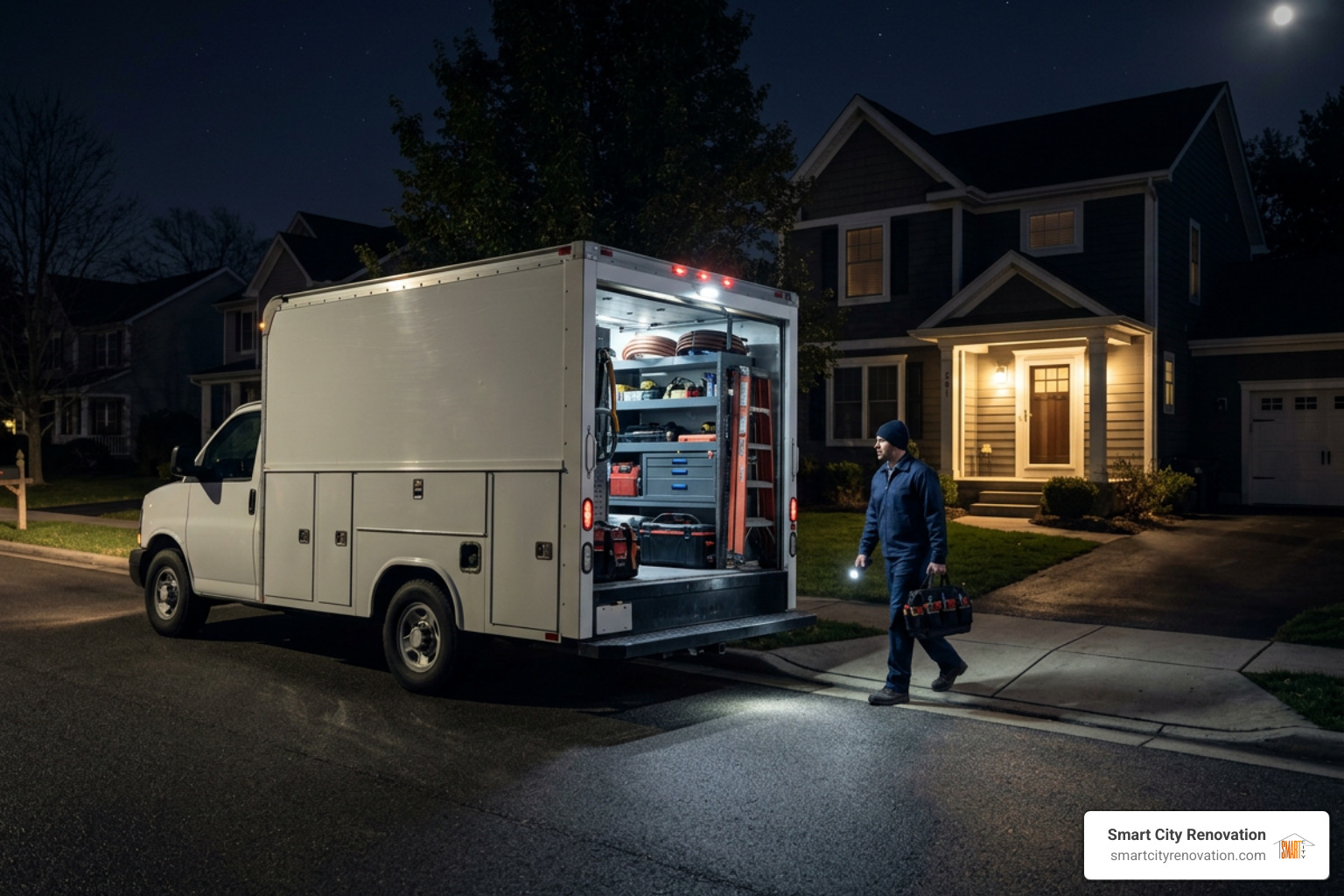
If you have never called for emergency 24 hour HVAC service before, the process might seem stressful. Knowing what happens behind the scenes can help ease your anxiety.
When you call a true emergency HVAC company, you should not be greeted by an automated voicemail. You should speak with a live operator who will gather your information, assess the severity of your situation, and dispatch an on-call technician. Depending on your location and the current demand (such as during a major regional storm or heatwave), a technician will typically arrive at your home within one to two hours.
What is Included in a 24 Hour HVAC Service?
When the technician arrives, their primary goal is to stabilize your system and restore safe indoor conditions.
- System Diagnostics: The technician will perform a comprehensive diagnostic check of your electrical connections, refrigerant levels, thermostat, and mechanical components.
- Upfront Pricing: Before turning a single wrench to repair the system, the technician should provide a clear, transparent explanation of the problem and an upfront price for the repair.
- Minor to Major Repairs: Using the parts stocked on their truck, the technician will attempt to complete the repair immediately. If you want to explore the full scope of what we can handle during our regular visits, take a look at our complete range of Services.
How Companies Handle After-Hours, Weekends, and Holidays
To provide reliable around-the-clock coverage, professional HVAC companies utilize a structured on-call rotation. Technicians take turns working night shifts, weekends, and major holidays.
Because these technicians are dedicated solely to emergency calls during these shifts, they are not rushed to get to standard maintenance appointments. They treat your emergency with the focus and urgency it deserves. Furthermore, because their trucks are stocked specifically for emergency scenarios, they achieve an incredibly high “first-visit fix” rate, resolving the vast majority of calls without needing to wait for supply houses to open the next morning.
Actionable Steps to Take Before the Technician Arrives
While you wait for the technician to pull into your driveway, there are a few simple steps you can take to make the visit safer and faster:
- Verify Your Thermostat Settings: It sounds simple, but make sure your thermostat is actually set to “Cool” (or “Heat”) and that the temperature setting is lower (or higher) than the current room temperature. Check if the batteries need to be replaced.
- Check Your Circuit Breaker: Go to your home’s main electrical panel and check if the breaker labeled “AC” or “Furnace” has tripped to the “Off” or neutral position. If it has, reset it once. If it trips again, leave it off.
- Clear the Area Around Your Units: Ensure there is a clear, unobstructed path to both your indoor evaporator unit (usually in a basement, utility closet, or attic) and your outdoor condenser unit. Remove any clutter, weeds, or debris.
- Safety First: If you suspect an electrical short or a gas leak, turn off the main power switch or gas valve to the unit immediately and wait safely outside.
Frequently Asked Questions about Emergency HVAC
What is considered a dangerous indoor temperature?
A dangerous indoor temperature depends largely on the health and age of your home’s occupants. Generally, if the indoor temperature exceeds 85°F in high humidity, or drops below 55°F in the winter, you are entering a zone that can cause physical distress. For vulnerable populations—such as infants, seniors, or those with chronic illnesses—indoor temperatures above 80°F can trigger heat exhaustion, while temperatures below 60°F can increase cardiovascular strain.
Can I perform DIY repairs on my air conditioner?
We strongly advise against attempting to repair your own HVAC system. Modern heating and cooling units are highly complex machines that run on high-voltage electricity and utilize pressurized chemical refrigerants. Attempting a DIY fix can lead to severe electrical shocks, chemical burns, or system ruin. Furthermore, opening up your unit and replacing parts yourself will almost certainly void any remaining manufacturer warranty on your equipment.
How long do typical emergency repairs take?
The vast majority of emergency repairs are completed within one to three hours of the technician’s arrival. Common issues like replacing a bad capacitor, swapping out a failed contactor, or clearing a clogged condensate line can be resolved quickly. However, if your system has a completely burned-out compressor or a cracked heat exchanger, the technician will focus on making your home safe, and a full system replacement may need to be scheduled for the following day.
Conclusion
When your climate control system fails in the middle of the night, you do not have to suffer through the heat or freeze in the dark. Understanding how 24 hour HVAC service works ensures that you can make smart, calm decisions to protect your family and your property.
At Smart City Renovation, we bring 25 years of dedicated Chicagoland construction and mechanical expertise directly to your doorstep. We service a wide range of local communities, including Des Plaines, Mount Prospect, Park Ridge, Niles, Glenview, Arlington Heights, Rosemont, Morton Grove, Skokie, Elk Grove Village, Schaumburg, Palatine, Buffalo Grove, Prospect Heights, Wheeling, Rolling Meadows, Hoffman Estates, Northbrook, Lincolnwood, Harwood Heights, and Norridge.
Whether you need immediate emergency assistance or want to schedule preventative maintenance to stop a breakdown before it starts, we are here to help. Reach out to us today to speak with a professional HVAC Contractor and keep your home safe and comfortable all year round.