
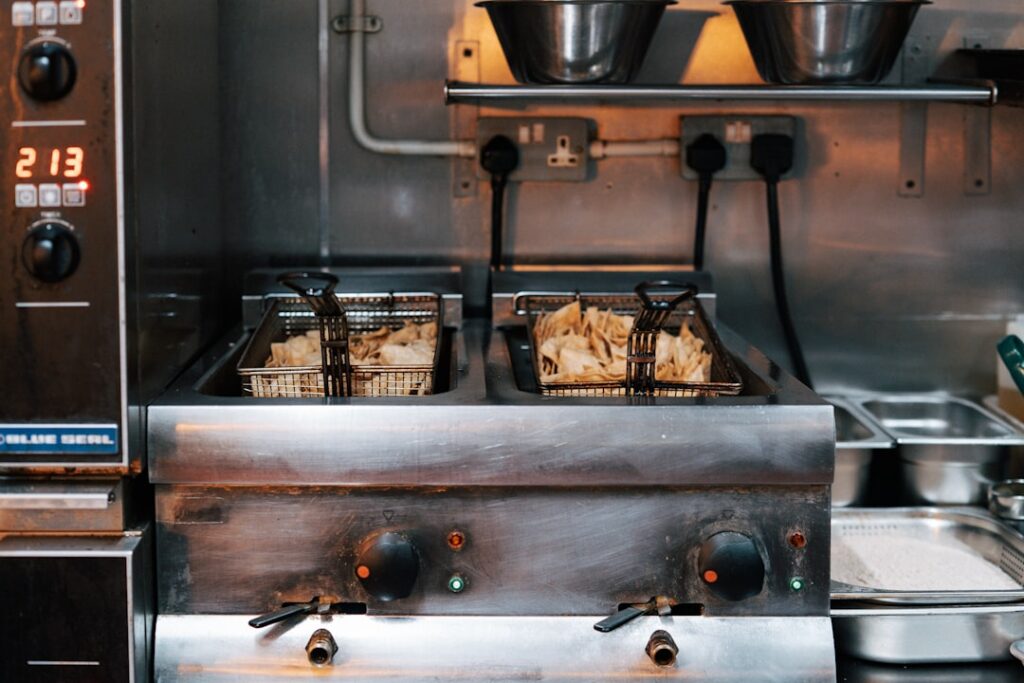
Why a Commercial Grease Trap Matters for Your Kitchen
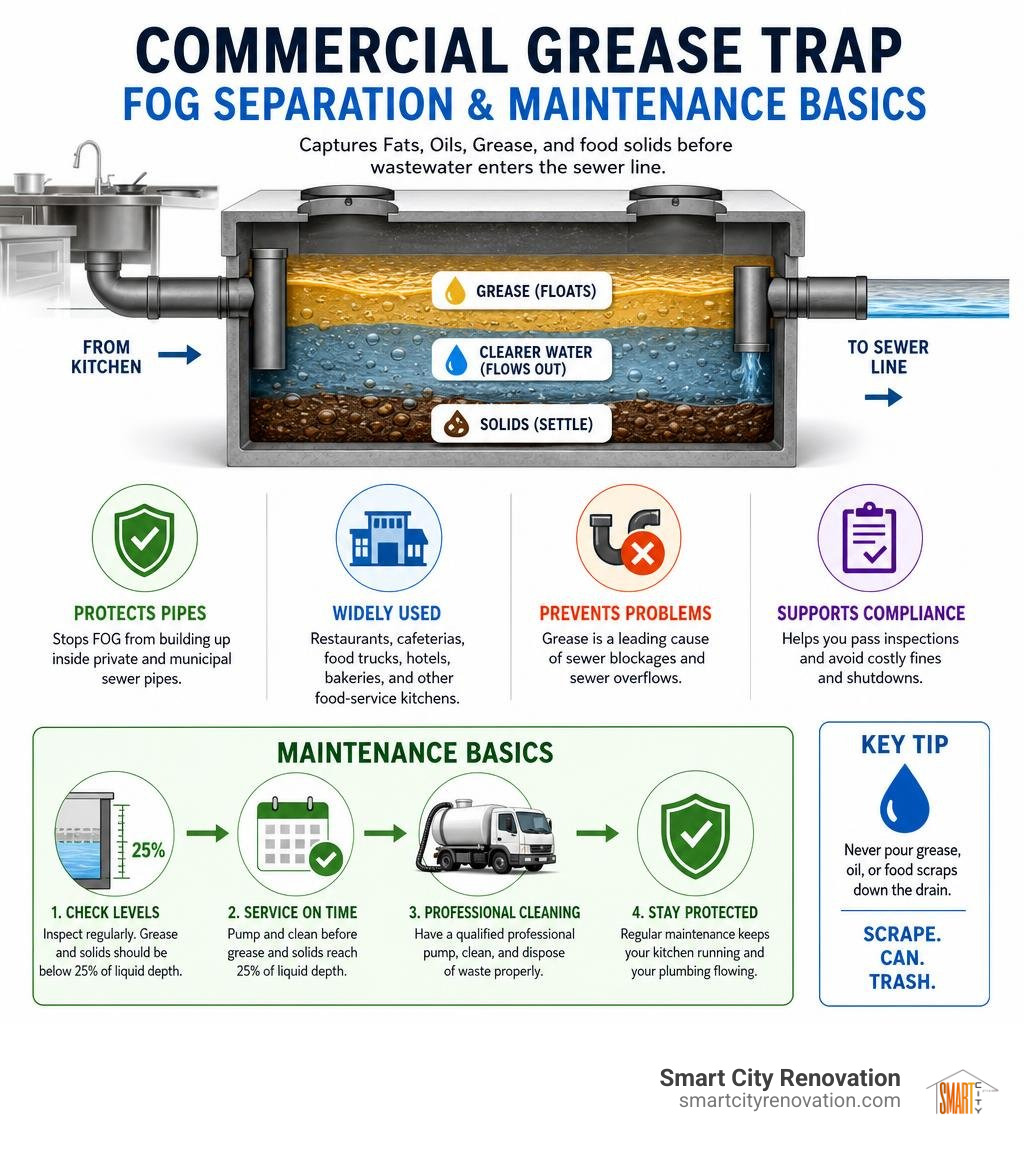
A commercial grease trap is a plumbing device that captures fats, oils, grease, and food solids before kitchen wastewater enters the sewer line. It slows the wastewater so grease rises, solids settle, and the clearer water layer flows out.
| Quick answer | What it means |
|---|---|
| Purpose | Stops FOG from building up inside private and municipal sewer pipes |
| Where it is used | Restaurants, cafeterias, food trucks, hotels, bakeries, and other food-service kitchens |
| Why it matters | Grease is a leading cause of sewer blockages and sewer overflows in the U.S. |
| Basic maintenance rule | Service the unit before grease and solids reach 25% of its liquid depth |
Grease may look harmless when it is warm and liquid. But as it cools in a drain line, it can harden, trap food debris, and create a costly blockage. The EPA identifies pipe blockages as the leading cause of sewer overflows, and grease is a primary cause of those blockages.
For a busy Chicago-area business, this is more than a plumbing detail. A neglected trap can lead to slow drains, odors, kitchen downtime, failed inspections, and messy sewer backups.
I’m Norbert of Smart City Renovation, with 25 years of Chicagoland construction, remodeling, and plumbing experience. We help property owners understand how a properly selected and maintained commercial grease trap fits into reliable commercial kitchen plumbing.
Quick commercial grease trap terms:
What Is a Commercial Grease Trap and How Does It Work?
At its core, a commercial grease trap relies on a physics principle known as density separation. Fats, oils, and grease (collectively referred to in the industry as FOG) are less dense than water. Liquid animal fats and vegetable oils weigh roughly 0.9 grams per cubic centimeter, while water sits at 1.0 gram per cubic centimeter. When kitchen effluent enters the containment box, the reduced velocity gives these lighter-than-water substances time to separate and float upward to form a floating scum blanket.
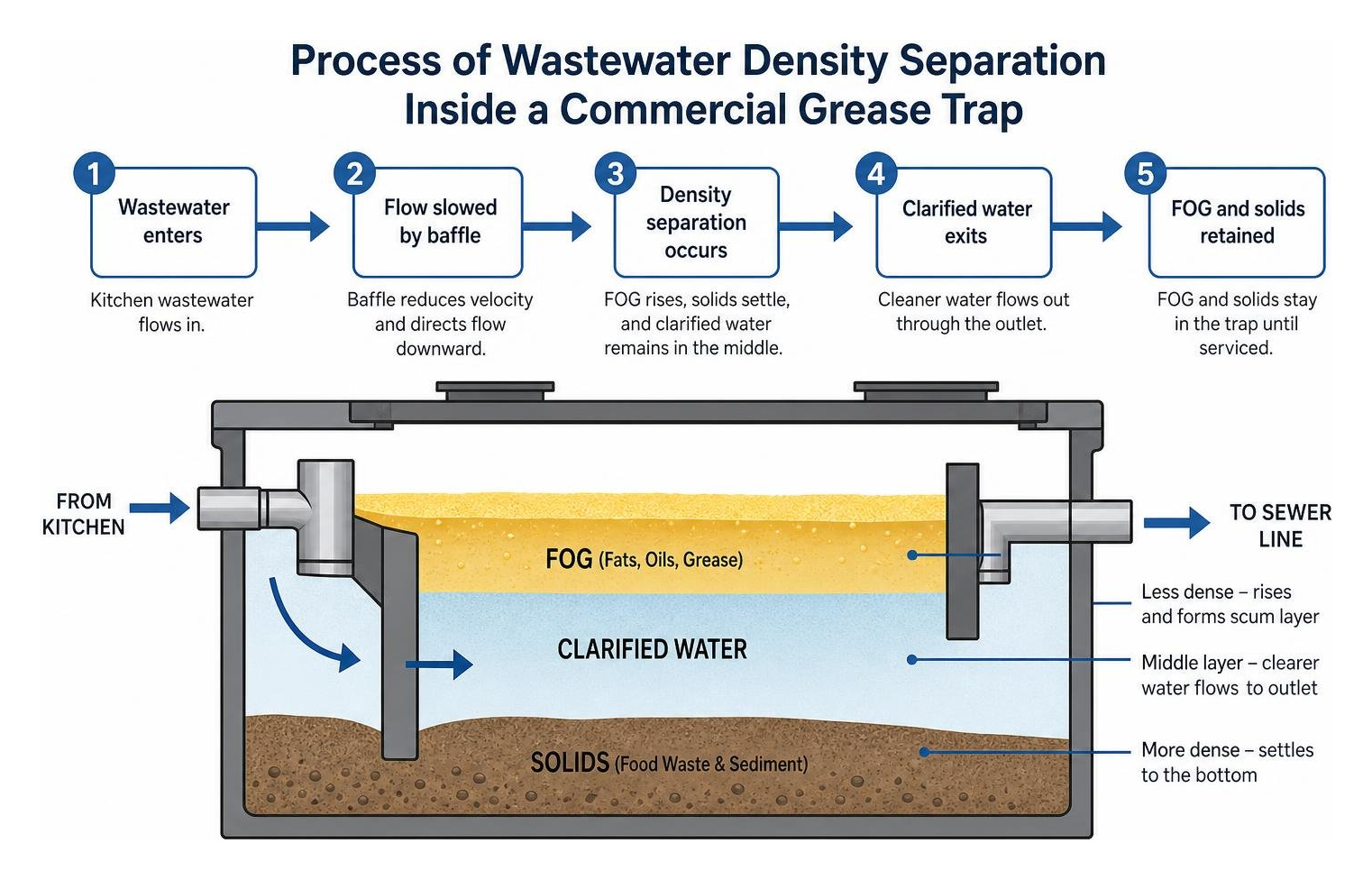
To facilitate this separation, wastewater passes through specific structural internal features:
- Inlet Flow Control Devices: External or integrated flow controls introduce air and limit incoming liquid velocity, preventing turbulence from stirring up settled particles.
- Internal Baffles: Curved or straight internal baffles redirect flow downward, trapping the floating grease layer above the static water line while preventing raw kitchen discharge from splashing directly into the outlet channel.
- Wastewater Stratification Layers: Inside a working trap, three distinct strata form: a top layer of floating FOG, a middle layer of clarified greywater, and a bottom layer of heavy food solids and sediment.
- Solid Waste Retention: Heavier debris—such as rice, bone fragments, and coffee grounds—sinks to the sludge layer at the tank floor before it can enter main lateral lines.
Once stratification occurs, clean greywater under hydrostatic pressure flows beneath the discharge baffle and exits safely into the sanitary drain line.
Hydromechanical vs. Gravity Commercial Grease Trap Design
When selecting kitchen infrastructure across Chicagoland, commercial operators generally choose between two primary categories: Hydromechanical Grease Interceptors (HGIs) and Gravity Grease Interceptors (GGIs).
- Hydromechanical Grease Interceptors (HGIs): Compact units designed for point-of-use indoor placement, typically under 3-compartment sinks, prep stations, or adjacent to commercial dishwashers. HGIs regulate fluid flow using air entrainment and engineered baffling. Flow rates range from compact 4 GPM units like the Zurn Elkay GT2702-04 8 lb. 4 GPM Polyethylene Grease Trap with 2″ Female NPT Inlet and Outlet Connections up to high-capacity indoor models like the Watts GI-150-K 300 lb. Grease Trap.
- Gravity Grease Interceptors (GGIs): Large-capacity holding tanks buried outdoors beneath parking lots or service drives. GGIs rely solely on gravitational retention time—typically requiring at least a 30-minute fluid hold time—without requiring internal air injection. Liquid capacities for GGIs start at 500 gallons and frequently reach 1,500 to 2,000+ gallons to support high-volume banquet halls, hotels, and institutional cafeterias.
Advanced automatic recovery systems, such as the 25 GPM Pro Big Dipper W-250-IS – Big Dipper, combine hydromechanical principles with internal heating elements and motor-driven oleophilic wheel skimmers to continuously remove FOG into external collection vessels.
Material Innovations: Polyethylene vs. Metal Traps
Historically, commercial grease traps were constructed from heavy cast iron, 11-gauge cold-rolled carbon steel, or poured concrete. While steel models like the classic Watts GI-75-K 150 lb. Grease Trap offer exceptional mechanical rigidity when recess-mounted in heavy concrete, metal units face serious long-term challenges from chemical corrosion.
Kitchen wastewater contains high organic acid levels and rotting food particles. As bacteria decompose food waste at the bottom of a trap, hydrogen sulfide gas ($H2S$) is released. When this gas reacts with humidity, it forms sulfuric acid ($H2SO_4$), which steadily eats through metal walls and concrete bases—a destructive cycle known in commercial plumbing as “rot-out.”
Modern engineering has shifted heavily toward High-Density Polyethylene (HDPE) and injection-molded thermoplastics. Units such as the Endura 3950A04 100 lb. 50 GPM Grease Trap with 4″ Hub or the Zurn Elkay GT2702-25 50 lb. 25 GPM Polyethylene Grease Trap with 3″ Female NPT Inlet and Outlet Connections offer distinct advantages:
- Acid and Corrosion Immunity: Polyethylene resists organic fats, high pH cleaning chemicals, and sulfuric acid formation.
- Smooth Non-Stick Internal Walls: Seamless molded surfaces prevent biological films and hardened grease from clinging, making deep cleaning faster and less labor-intensive.
- Lightweight Handling: Synthetic materials drastically reduce shipping weight and allow simple, cost-effective indoor retrofits.
Sizing and Capacity Calculations for Kitchen Plumbing
Sizing a commercial grease trap correctly is critical for kitchen performance. An undersized trap quickly fills past capacity, washing raw FOG straight into municipal sewer lines. Conversely, oversizing an interceptor allows wastewater to sit stagnant for too long; food solids rot, generating foul sulfur smells and accelerating structural decay.
Plumbing engineers and commercial contractors rely on two primary standard sizing methods:
- Drainage Fixture Unit (DFU) Method: Assigns numerical values to every fixture tied to the grease line (3-compartment pots sinks, mop sinks, pre-rinse stations, floor drains). Total DFU values determine required pipe sizes and minimum flow rates in Gallons Per Minute (GPM).
- Peak Flow Rate Formula: Calculates maximum volume based on sink dimensions.
$$\text{Capacity (Gallons)} = \frac{\text{Length} \times \text{Width} \times \text{Depth (inches)}}{231}$$
Multiply fixture displacement by 0.75 (accounting for displacement from food baskets and structural filling limits) to determine total peak flow capacity.
To help evaluate your facility’s requirements, review our detailed guide on comprehensive in-depth guide to plumbing services.
| Interceptor Type | Typical Flow Rate | Grease Holding Capacity | Liquid Holding Capacity | Primary Application |
|---|---|---|---|---|
| Compact Hydromechanical (Poly) | 4 to 15 GPM | 8 to 30 lbs | 10 to 30 Gallons | Coffee shops, food trucks, small delis |
| Medium Hydromechanical (Thermoplastic) | 20 to 50 GPM | 40 to 100 lbs | 35 to 75 Gallons | Full-service diners, prep sinks, pot sinks |
| Large Hydromechanical (Steel or HDPE) | 75 to 150 GPM | 150 to 300 lbs | 100 to 250 Gallons | High-volume kitchens, commercial dishwashers |
| Outdoor Gravity Interceptor (HDPE/Concrete) | 200 to 350+ GPM | 500 to 3,000+ lbs | 500 to 1,500+ Gallons | Cafeterias, hotels, food processing facilities |
Ensure any interceptor installed in your facility carries recognized industry certifications, including Plumbing & Drainage Institute standard PDI-G 101 or ASME A112.14.3. These certifications confirm the device delivers at least 90% FOG removal efficiency at its rated GPM flow rate.
Operational Best Practices and Maintenance Guidelines
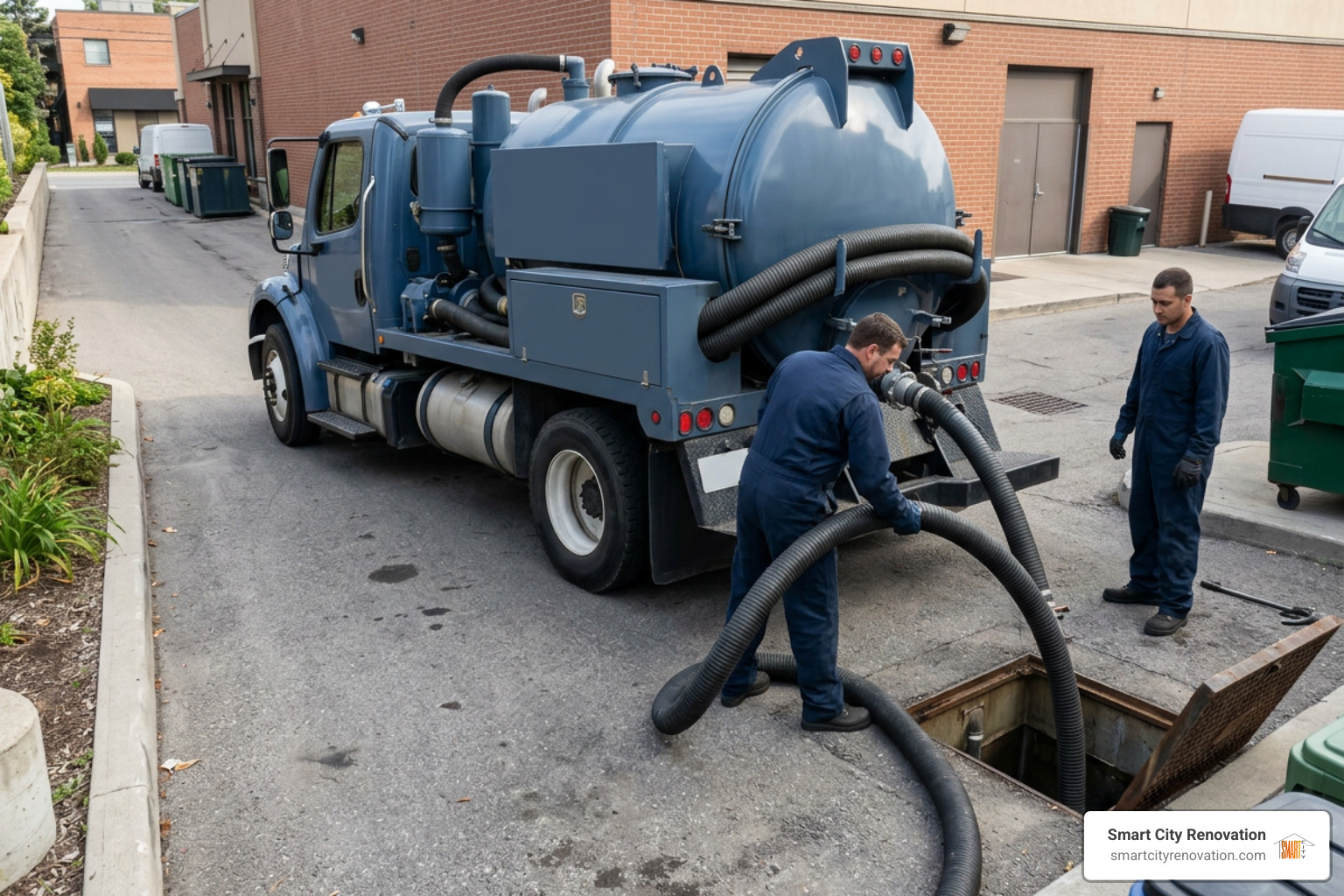
Installing quality equipment is only half the battle; maintaining strict servicing protocols keeps your business compliant. The standard metric enforced by municipal water reclamation authorities across Illinois is the universal 25 Percent Rule.
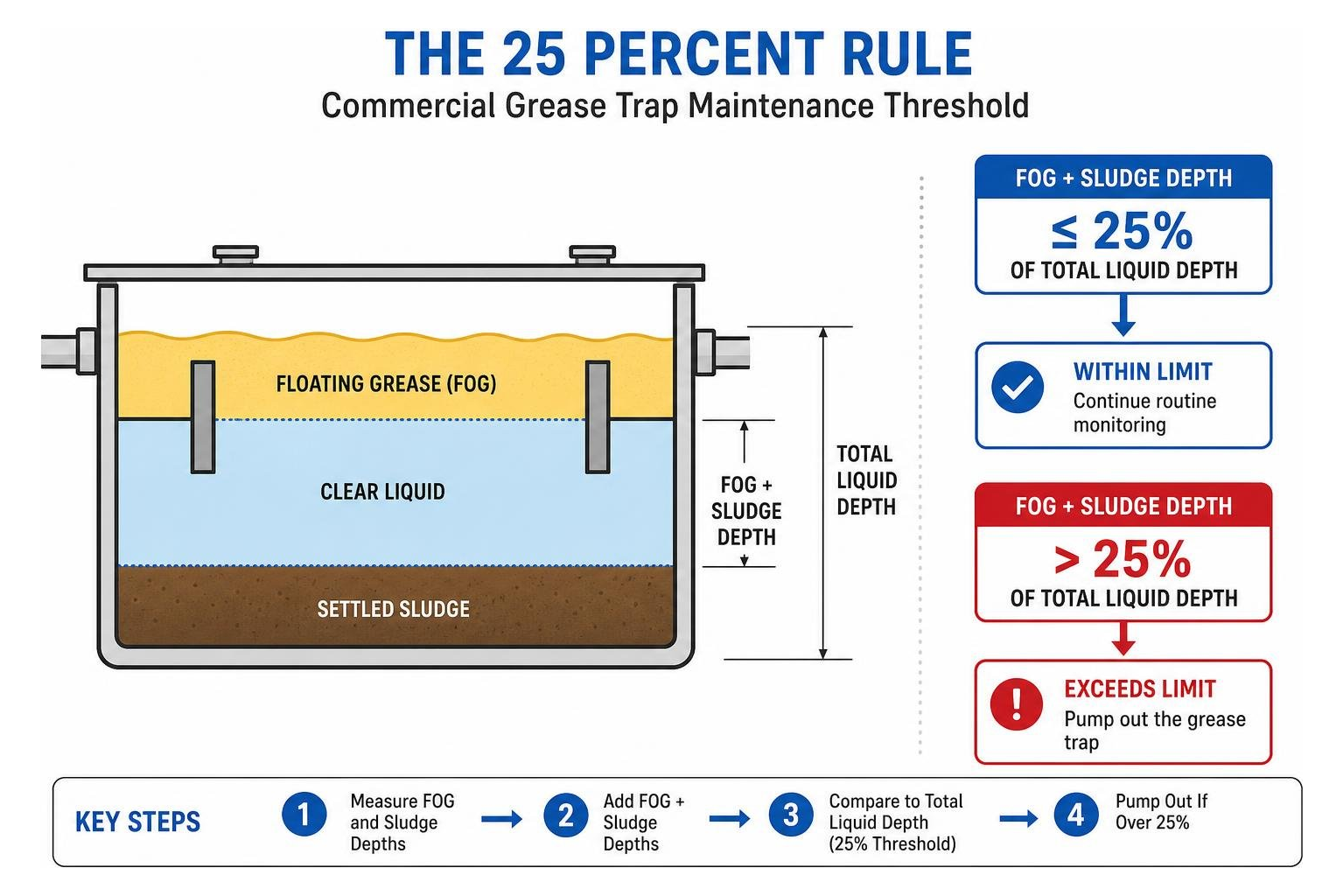
This mandate requires a commercial grease trap to be fully pumped out whenever the combined total depth of floating top grease and bottom sludge equals 25% of the unit’s total liquid depth. Beyond this 25% threshold, fluid velocity speeds up dramatically through the shortened center channel, pushing unseparated grease directly into main sewer lines.
Key operational guidelines include:
- Measure FOG Depth Regularly: Use a transparent acrylic dip tube (sludge judge) weekly to measure floating FOG and bottom sediment thickness.
- Schedule Vacuum Pumping: For under-sink hydromechanical units, cleanings may range from weekly to monthly. Large exterior gravity interceptors typically require professional vacuum truck pumping every 1 to 3 months. Local operators frequently coordinate routine pump-outs through certified regional grease management specialists in Des Plaines or Mount Prospect.
- Maintain Up-to-Date Maintenance Logs: Keep accurate service receipts and cleanout logs binder-ready near the kitchen manager’s desk for health inspectors and sanitary district officials.
- Incorporate Downstream Hydro-Jetting: Over time, grease vapor and soft lipids can escape into internal lateral lines. Periodic high-pressure line scouring keeps building plumbing free-flowing. Learn more about restoring pipe diameters with our complete guide to clearing a clogged sewer line and jetting it clean.
Signs Your Commercial Grease Trap Needs Immediate Service
Waiting until sinks overflow during a busy dinner service can lead to lost revenue and emergency repair costs. Keep an eye out for these clear warning indicators:
- Slow Sink Drainage: Water pooling in 3-compartment prep sinks or taking extra time to clear pot stations indicates internal trap baffles are restricted by hardened grease.
- Foul Hydrogen Sulfide Odors: Pungent rotten-egg smells inside prep areas signal decaying food solids at the bottom of the trap.
- Sewer Line Backups: Effluent coming up through floor drains during heavy water discharge indicates downstream line blockages. Read our guide to spotting and stopping a main drain clog to protect your floor drains.
- Excessive Grease Layer Thickness: When measuring with a dip stick, if grease depth exceeds 2 to 3 inches in small under-sink models, schedule immediate pumping.
For kitchens operating in communities like Niles, Glenview, Arlington Heights, or Rosemont, establishing local maintenance routines prevents costly emergency shut-downs.
Municipal Codes, Environmental Impact, and FOG Regulations
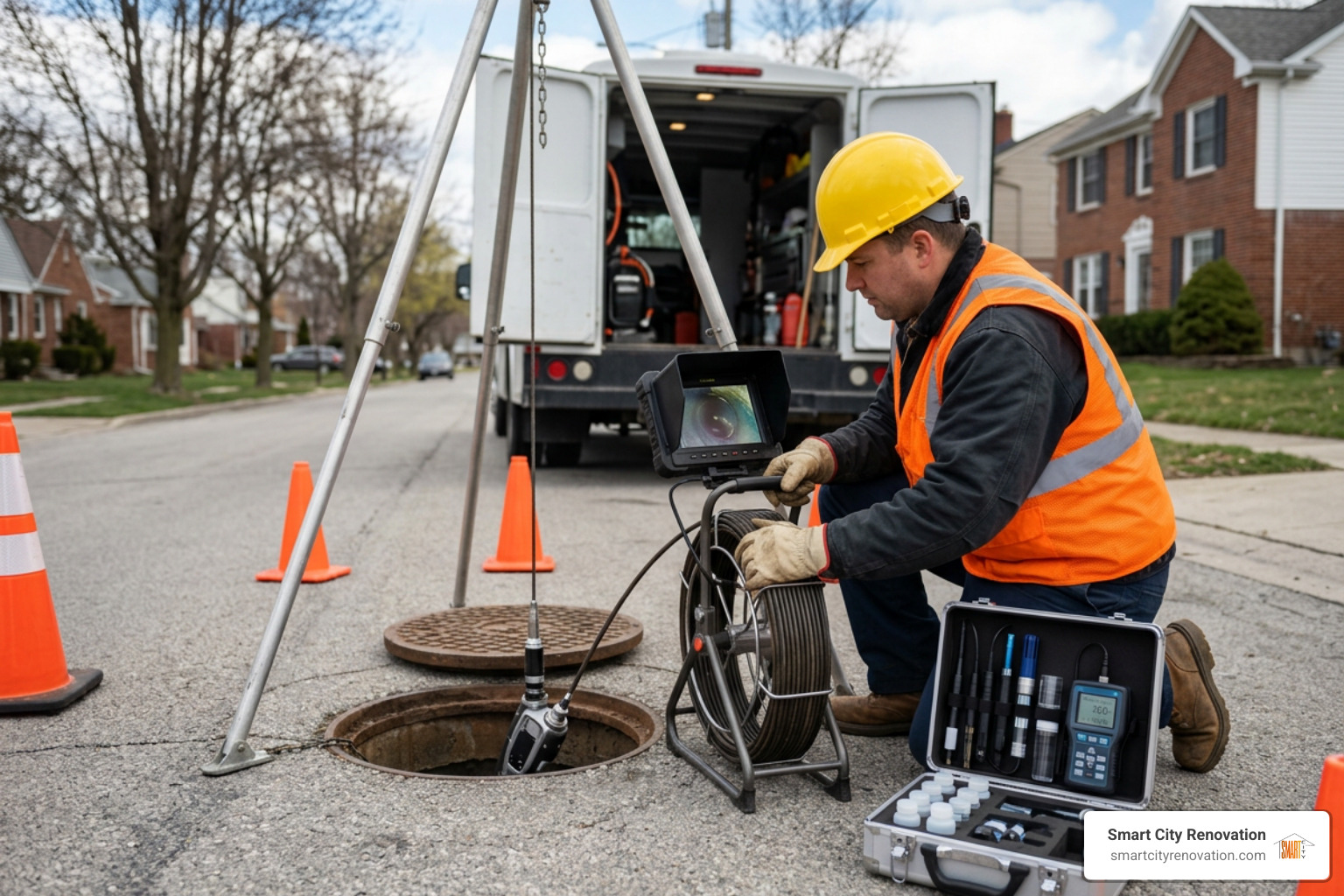
Commercial grease management plays a central role in protecting public infrastructure. EPA research demonstrates that sewer pipe blockages are the leading cause of municipal sewer overflows in the United States, with fats, oils, and grease acting as the single primary culprit.
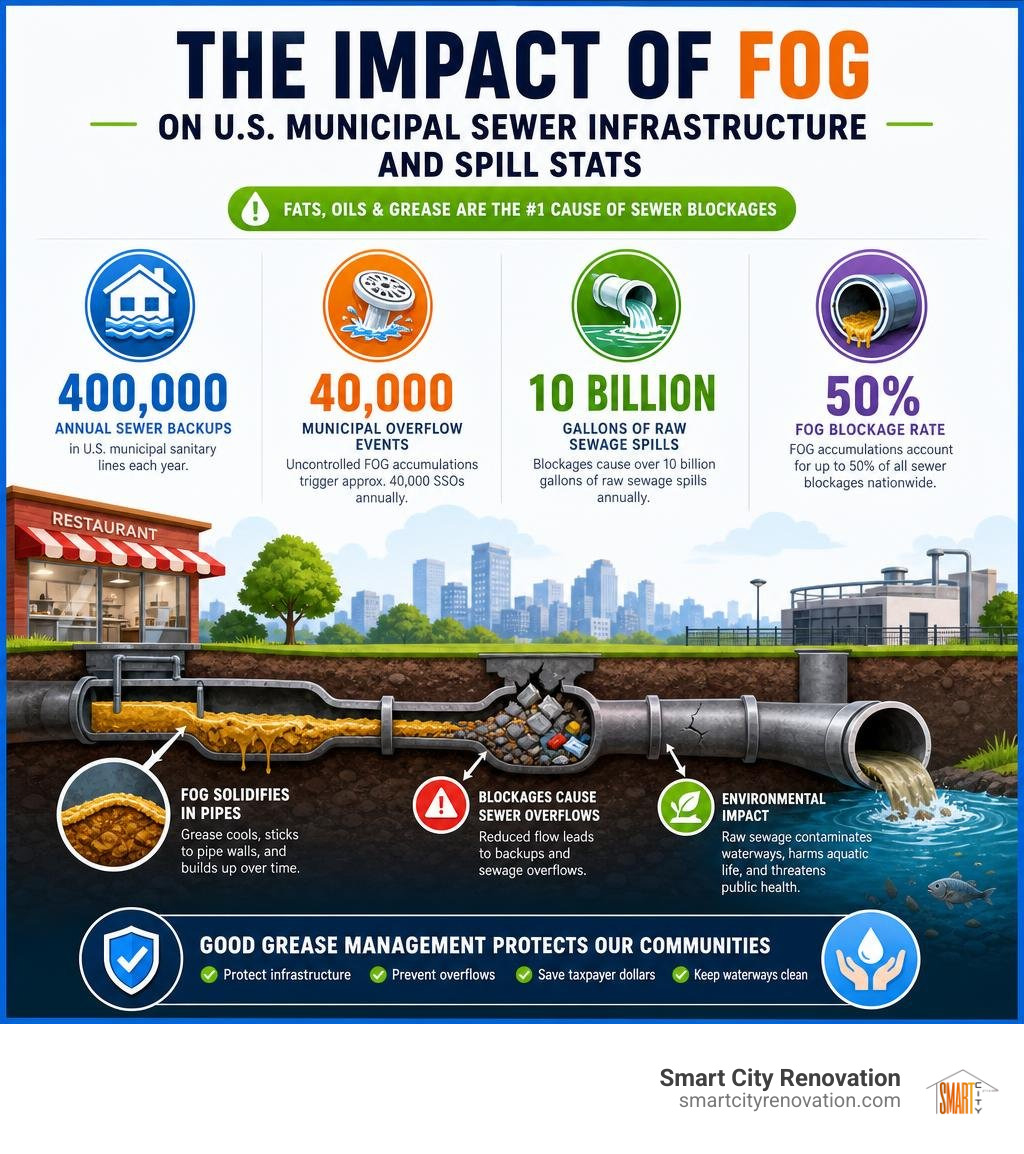
Consider these staggering national statistics:
- 400,000 Annual Sewer Backups: US municipal sanitary lines experience roughly 400,000 sewer backups each year.
- 40,000 Municipal Overflow Events: Uncontrolled FOG accumulations trigger approximately 40,000 public sanitary sewer overflows (SSOs) annually.
- 10 Billion Gallons of Raw Sewage Spills: Blockages cause over 10 billion gallons of raw sewage spills annually, contaminating waterways and threatening public health.
- 50% FOG Blockage Rate: FOG accumulations account for up to 50% of all sewer blockages nationwide.
- 300 to 400 Pounds of Landfill Waste: The average commercial restaurant generates 300 to 400 pounds of landfill-bound brown grease every year.
Because of these heavy environmental impacts, municipalities in Illinois enforce strict pre-treatment ordinances. Inspectors perform unannounced visits to review maintenance logs, check liquid levels, and take effluent water samples from mandatory downstream sampling ports.
Failure to comply with local FOG ordinances can lead to steep daily fines, mandated kitchen closures, or costly municipal hydro-jetting assessments. Working with specialized service technicians in communities like Morton Grove and utilizing professional liquid waste management solutions helps facility managers maintain total compliance with local codes.
Frequently Asked Questions about Commercial Grease Traps
How often should a commercial grease trap be cleaned or pumped?
Frequency depends entirely on kitchen grease output and total containment capacity, but all facilities must adhere to the 25 Percent Rule. Small indoor under-sink hydromechanical units in busy fried-food or high-volume kitchens usually require cleaning weekly to monthly. Large outdoor underground gravity interceptors typically need professional vacuum truck pumping every 1 to 3 months.
Why are high-density polyethylene traps preferred over metal traps?
Commercial kitchen wastewater contains acidic food scraps and chemical detergents that create a harsh, high-pH environment. Over time, decaying organic matter produces hydrogen sulfide gas, which combines with moisture to form sulfuric acid. Metal traps regularly succumb to corrosion and “rot-out” within 3 to 5 years, whereas High-Density Polyethylene (HDPE) is acid-proof, rust-proof, lightweight, and features non-stick smooth walls that simplify routine cleanings.
What is the difference between a grease trap and a grease interceptor?
While the terms are often used interchangeably, the primary differences lie in flow rate, capacity, and mechanics:
- Grease Traps (Hydromechanical Grease Interceptors): Smaller indoor devices handling flow rates up to 50 GPM, utilizing air entrainment and internal baffles.
- Grease Interceptors (Gravity Grease Interceptors): Large outdoor underground tanks holding 500 to 2,000+ gallons of wastewater, using a minimum 30-minute retention time to separate FOG without air injection.
Conclusion
A well-designed commercial grease trap system protects your facility, keeps drains clear, and ensures compliance with local health codes. Neglecting grease management can lead to unexpected kitchen shut-downs, expensive main drain repairs, and severe regulatory fines.
At Smart City Renovation, we bring 25 years of local Chicagoland general contracting and plumbing expertise to every project. Whether you operate a restaurant, bakery, cafeteria, or commercial kitchen across Des Plaines, Mount Prospect, Park Ridge, Niles, Glenview, Arlington Heights, Rosemont, Morton Grove, Skokie, Elk Grove Village, Schaumburg, Palatine, Buffalo Grove, Prospect Heights, Wheeling, Rolling Meadows, Hoffman Estates, Northbrook, Lincolnwood, Harwood Heights, or Norridge, our team ensures your plumbing architecture is built for long-term performance.
Ready to upgrade, replace, or install your kitchen’s grease management system? Explore our full range of professional commercial plumbing services today to keep your operational profits flowing smoothly down the right path!