
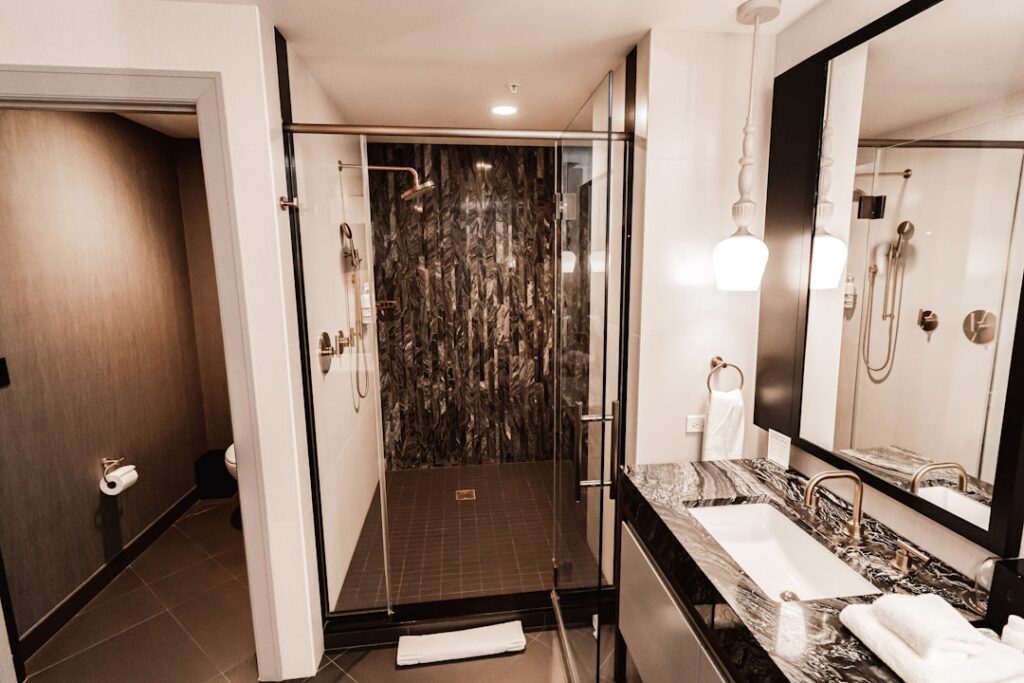
What Chicago Homeowners Need to Know Before Starting a Bathroom Remodel
A bathroom remodel in Chicago is one of the most popular — and most valuable — home upgrades you can make in this city. Whether you’re updating a vintage bungalow in Ravenswood or refreshing a Gold Coast condo, the right renovation can transform your daily routine and boost your home’s resale value.
Here’s a quick snapshot of what to expect:
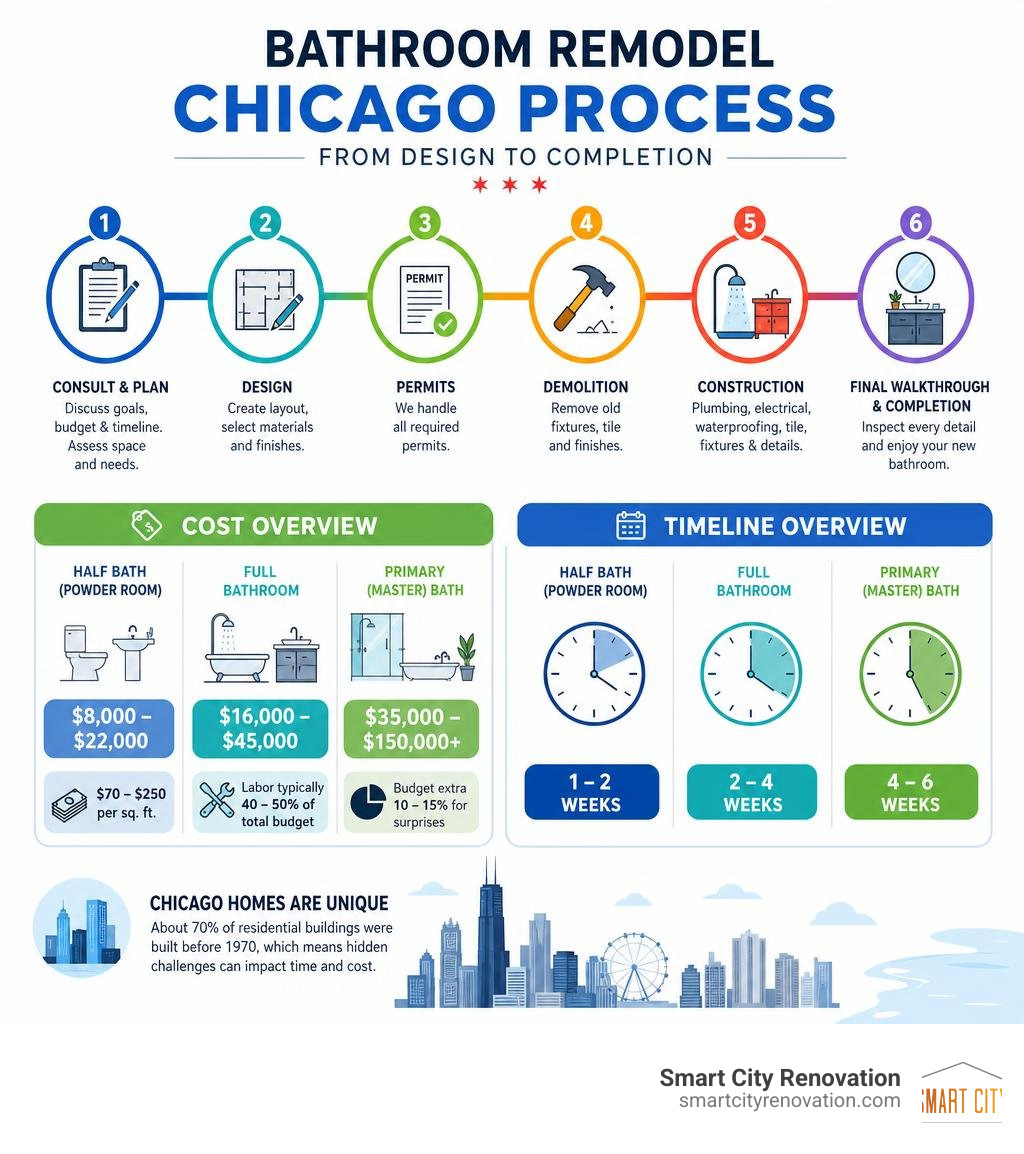
| Bathroom Type | Typical Cost Range (Chicago) | Avg. Timeline |
|---|---|---|
| Half Bath (Powder Room) | $8,000 – $22,000 | 1 – 2 weeks |
| Full Bathroom | $16,000 – $45,000 | 2 – 4 weeks |
| Primary (Master) Bath | $35,000 – $150,000+ | 4 – 6 weeks |
Key facts at a glance:
- Chicago bathroom remodels average $24,000, ranging from $18,000 to $35,000+ depending on scope
- Costs run $70 – $250 per square foot based on finish level
- Labor typically makes up 40 – 50% of your total budget
- Homeowners recoup roughly two-thirds of their investment at resale
- Always budget an extra 10 – 15% for surprises — especially in older Chicago homes
Chicago’s housing stock is unique. About 70% of residential buildings were built before 1970, which means hidden challenges like outdated pipes, aging electrical, and water damage are common. That makes choosing the right contractor — one who knows Chicago buildings inside and out — especially important.
I’m Norbert, a licensed general contractor with 25 years of Chicagoland construction and remodeling experience, and I’ve helped hundreds of homeowners navigate the full process of a bathroom remodel in Chicago, from permits and plumbing to tile and final walkthrough. Below, I’ll walk you through everything you need to plan your project with confidence.
Average Costs for a Bathroom Remodel Chicago Project
When planning a bathroom remodel in Chicago, the first question on everyone’s mind is, “How much is this actually going to cost me?” While the national average for a quick cosmetic update sits around $10,939, a comprehensive, high-quality renovation in the Chicagoland area requires a more realistic local budget.
In our experience across the Chicago suburbs—from Niles to Elk Grove Village—costs are largely determined by the size of the space, the quality of materials, and whether you plan to change the layout.
| Project Scope | Budget Range | What’s Included |
|---|---|---|
| Minor / Powder Room | $5,000 – $15,000 | New flooring, basic vanity, toilet, updated lighting, and fresh paint. |
| Mid-Range / Full Bath | $16,000 – $45,000 | Complete gut, new tub/shower tile, semi-custom vanity, modern fixtures, plumbing in same location. |
| Upscale / Primary Suite | $45,000 – $150,000+ | Layout changes, custom double vanities, premium stone, wet rooms, walk-in steam showers, smart features. |
On a square-foot basis, expect to invest anywhere from $70 to $250 per square foot. Labor is a major driver of these numbers, typically swallowing up 40% to 50% of your total budget. In the Chicagoland area, professional labor rates reflect high standards of expertise:
- Licensed Plumbers: $85 – $150 per hour
- Licensed Electricians: $75 – $130 per hour
- Professional Tile Installers: $8 – $15 per square foot
Because of these labor rates and the technical nature of wet-area renovations, we always advise clients to consult A Comprehensive Guide to Bathroom Remodeling to understand how material procurement and labor balance out. Additionally, we strongly insist on setting aside a 10% to 15% contingency budget. When we open up walls in older homes, we almost always find something that needs a little extra love.
Hidden Cost Factors in Historic Chicago Homes
Chicagoland is famous for its gorgeous historic housing stock. From the classic brick bungalows of Norridge to the vintage walk-ups in Park Ridge, our local architecture has unmatched character. However, that character often comes with a few behind-the-scenes surprises.

With roughly 70% of residential buildings in our area constructed before 1970, we frequently encounter structural and mechanical challenges during demolition:
- Galvanized Pipes & Cast Iron Drains: Older homes often still rely on original galvanized steel water lines and heavy cast iron waste stacks. Over the decades, galvanized pipes rust from the inside out, restricting water pressure, while cast iron drains can crack or scale. Upgrading these to modern PEX water lines and PVC drains during a gut remodel is essential to prevent future leaks.
- Subsurface Water Damage: Slow, hidden leaks behind old tile or around the base of a bathtub often rot the subfloor and wall studs. Repairing this framing can add $1,500 to $5,000 to a budget.
- High-Rise Condo and Townhome Constraints: If you live in a multi-family building in Glenview or Arlington Heights, you may face “wet-over-dry” restrictions. Many HOAs prohibit moving plumbing fixtures if it means routing drain lines over a neighbor’s dry living space below.
If you are dealing with a complex layout or thinking about adding a brand-new bathroom where one didn’t exist before, check out our specialized guide: From Concrete to Commode: Building a Bathroom in Your Basement.
If you live in these historic areas, it pays to work with specialists who know local building histories. Working with an experienced local team ensures vintage structural elements are handled correctly, protecting your home’s integrity and ensuring your new bathroom stands the test of time.
The Step-by-Step Bathroom Renovation Timeline
A successful bathroom remodel in Chicago is a carefully choreographed dance. While some national chains promise “one-day bathroom makeovers,” a true, long-lasting gut renovation takes time to do right. On average, construction takes 2 to 4 weeks for a standard full bath, and up to 6 weeks for a primary suite.

Here is our step-by-step process from the initial call to the final walkthrough:
- Consultation & Design (1–3 Days): We discuss your goals, measure your space, and draft layout concepts.
- Permits & HOA Scheduling (3–5 Days): We submit plans to local municipal departments (like Skokie or Morton Grove) and secure necessary building permits.
- Demolition & Prep (2–3 Days): We carefully strip the bathroom down to the wood studs and subfloor, hauling away old plaster, drywall, and fixtures.
- Rough-Ins & Venting (3–5 Days): Our licensed plumbers and electricians run new PEX pipes, drain lines, GFCI outlets, and dedicated ventilation.
- Inspections (1–2 Days): Local municipal inspectors review the open-wall plumbing and electrical work.
- Waterproofing & Substrate Build (2–3 Days): We install moisture-resistant cement board and apply premium sheet or liquid waterproofing membranes to guarantee a leak-free shower.
- Tile Layout & Setting (4–7 Days): Tiles are meticulously measured, cut, set, and grouted.
- Fixtures & Finishes (2–3 Days): We install the vanity, countertops, toilet, shower glass, faucets, and decorative light fixtures.
- Final Walkthrough & Cleanup (1 Day): We clean the site top-to-bottom and walk through the completed space with you to ensure every detail is absolutely perfect.
Popular Services and High-Value Upgrades
Today’s homeowners are looking for a mix of luxury, practicality, and longevity. When we talk to clients about our full range of remodeling Services, several upgrades consistently stand out as the most requested:
- Tub-to-Shower Conversions: Many families are swapping out underutilized bathtubs for spacious, modern walk-in showers.
- Walk-In & Curbless Showers: Eliminating the shower curb creates a seamless, modern aesthetic and makes the bathroom feel significantly larger.
- ADA & Accessibility Upgrades: Incorporating stylish grab bars, built-in shower benches, and slip-resistant flooring ensures your bathroom remains safe as you age in place.
- Heated Flooring: A favorite in Northern Illinois! Radiant in-floor heating systems (starting around $2,500) keep your feet warm during our freezing winters.
- Smart Mirrors & Steam Showers: Integrated LED mirrors with defogging capabilities and high-tech steam shower systems turn ordinary bathrooms into private home spas.
If you are looking for design ideas or localized installation experts in the northern suburbs, consulting with a professional design-build team can help you visualize your space and select the perfect materials for your home.
Trending Features for a Modern Bathroom Remodel Chicago
If you want your bathroom remodel in Chicago to feel current yet timeless, consider these popular design trends:
- Large-Format Porcelain Tile: Using 24×48 porcelain tiles on shower walls reduces grout lines to a bare minimum (typically 1/16 inch), creating a sleek, monolithic look that is incredibly easy to clean.
- Organic Modernism: This style blends clean architectural lines with raw, natural textures. Think fluted wood cabinetry, warm walnut vanities, and natural stone accents.
- Calacatta Viola Stone: Bold, dramatic marble veining is making a massive comeback, especially for vanity countertops and custom shower niches.
- Brushed Brass Fixtures: Muted, warm metallics add a touch of quiet luxury without the harsh glare of polished chrome.
- Low-Iron Glass: Specifying low-iron glass for your shower enclosure eliminates the green tint found in standard glass, letting your beautiful tile work shine through with perfect clarity.
Design-Build vs. General Contractor for Your Bathroom Remodel Chicago
When planning a remodel, you generally have two paths: hiring a traditional general contractor or working with a full-service design-build firm.
A traditional General Contractor is excellent if you already have a set of architectural drawings and have pre-selected every single tile, faucet, and light fixture. The contractor’s job is strictly to execute your plan.
A Design-Build approach, on the other hand, provides a single point of contact from start to finish. Designers and builders work on the same team to handle layout concepts, 3D renderings, material procurement, permit submissions, and construction. This prevents miscommunication, keeps the project within your realistic budget, and speeds up the construction timeline.
Navigating Chicago Permits, Building Codes, and HOA Rules
Before a single hammer swings, you must address the regulatory side of remodeling. Skipping permits is a major mistake that can result in municipal fines, stop-work orders, and issues when you eventually try to sell your home.
Whether you are working with an Interior Construction Contractor or handling parts of it yourself, keep these local rules in mind:
- Building Permits: Most suburbs—such as Arlington Heights, Palatine, and Schaumburg—require building permits for any project that involves opening walls, changing plumbing lines, or altering electrical wiring. Cosmetic updates (like swapping a vanity in the exact same spot) may not require a full permit, but structural, plumbing, and electrical work always does.
- Local Codes: Modern building codes require strict safety features. For example, all bathroom outlets must have GFCI (Ground Fault Circuit Interrupter) protection to prevent shocks. Bathrooms must also have an appropriately sized exhaust fan vented directly to the outdoors, rather than just into an attic space.
- HOA Alteration Agreements: If you live in a condo or townhouse community in Northbrook or Buffalo Grove, your Homeowners Association will require an approved Alteration Agreement. They will ask for your contractor’s Certificate of Insurance (COI), require strict work-hour compliance (typically 8:00 AM to 4:00 PM), and require you to reserve service elevators for debris removal.
For details on local municipal compliance in the northwest suburbs, you can review the official guidelines provided by the Village of Arlington Heights Building Department or contact your local municipal office.
Return on Investment and Home Value Impact
Is a bathroom remodel in Chicago worth the financial investment? Absolutely. Real estate data shows that bathroom renovations consistently offer some of the highest returns of any home improvement project.
On average, homeowners in the Chicagoland resale market recoup 60% to 80% of their bathroom remodeling costs.
- Mid-Range Remodels: These deliver the most consistent financial returns, often hitting near 87% ROI.
- Adding a Second Bath: If you own a vintage home with only one bathroom, adding a second full or half-bath can yield an incredible 80% to 100% ROI, as homes with multiple bathrooms are highly preferred by modern buyers.
- Walk-In Showers: A clean, modern walk-in shower with high-quality tile and glass can dramatically boost your home’s online listing appeal, helping it sell faster.
To maximize your home’s equity and ensure your upgrades align with local buyer expectations, it is wise to partner with a skilled Remodeler who understands regional housing trends.
Frequently Asked Questions about Chicago Bathroom Renovations
How much does a bathroom remodel cost in Chicago in 2026?
In 2026, a standard full bathroom remodel in the Chicago area typically ranges from $16,000 to $45,000. A simple powder room refresh can start around $8,000, while a luxury, spa-like primary suite renovation with high-end stone and custom layout changes can range from $45,000 to over $150,000.
Do I need a permit to remodel my bathroom in Chicago?
Yes, if your project involves structural modifications, moving plumbing lines, or running new electrical circuits, you will need a building permit from your local municipality. Simple cosmetic changes—such as painting or replacing a faucet in the same location—usually do not require a permit.
How long does a typical Chicago bathroom renovation take?
A standard full gut renovation of a bathroom takes 2 to 4 weeks of active construction. Smaller powder rooms can often be completed in 1 to 2 weeks, while complex primary bathrooms requiring extensive tile work, custom glass, or plumbing relocations can take 4 to 6 weeks.
Conclusion
A bathroom remodel in Chicago is a fantastic way to add comfort, safety, and long-term value to your home. Navigating the process—from managing permits in Arlington Heights to handling vintage plumbing in Park Ridge—requires local expertise and dedicated craftsmanship.
At Smart City Renovation, we bring 25 years of construction and remodeling expertise to Chicagoland. Our fully licensed and insured team handles everything from initial design to final plumbing, ensuring your project is completed on time, on budget, and to the highest standards.
Ready to transform your bathroom into a private sanctuary? Reach out to us today to schedule your consultation!
Explore our remodeling and design services at Smart City Renovation