
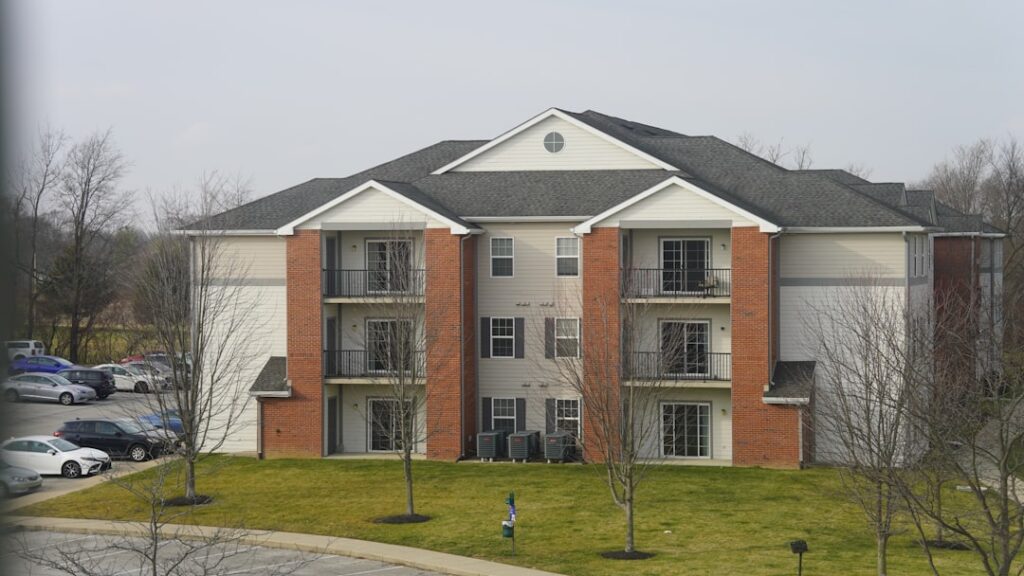
Why Multi Family Roof Replacement Is One of the Biggest Decisions a Property Manager Will Make
Multi-family roof replacement is a major capital project — and one of the most complex maintenance decisions you’ll face as a property owner or manager.
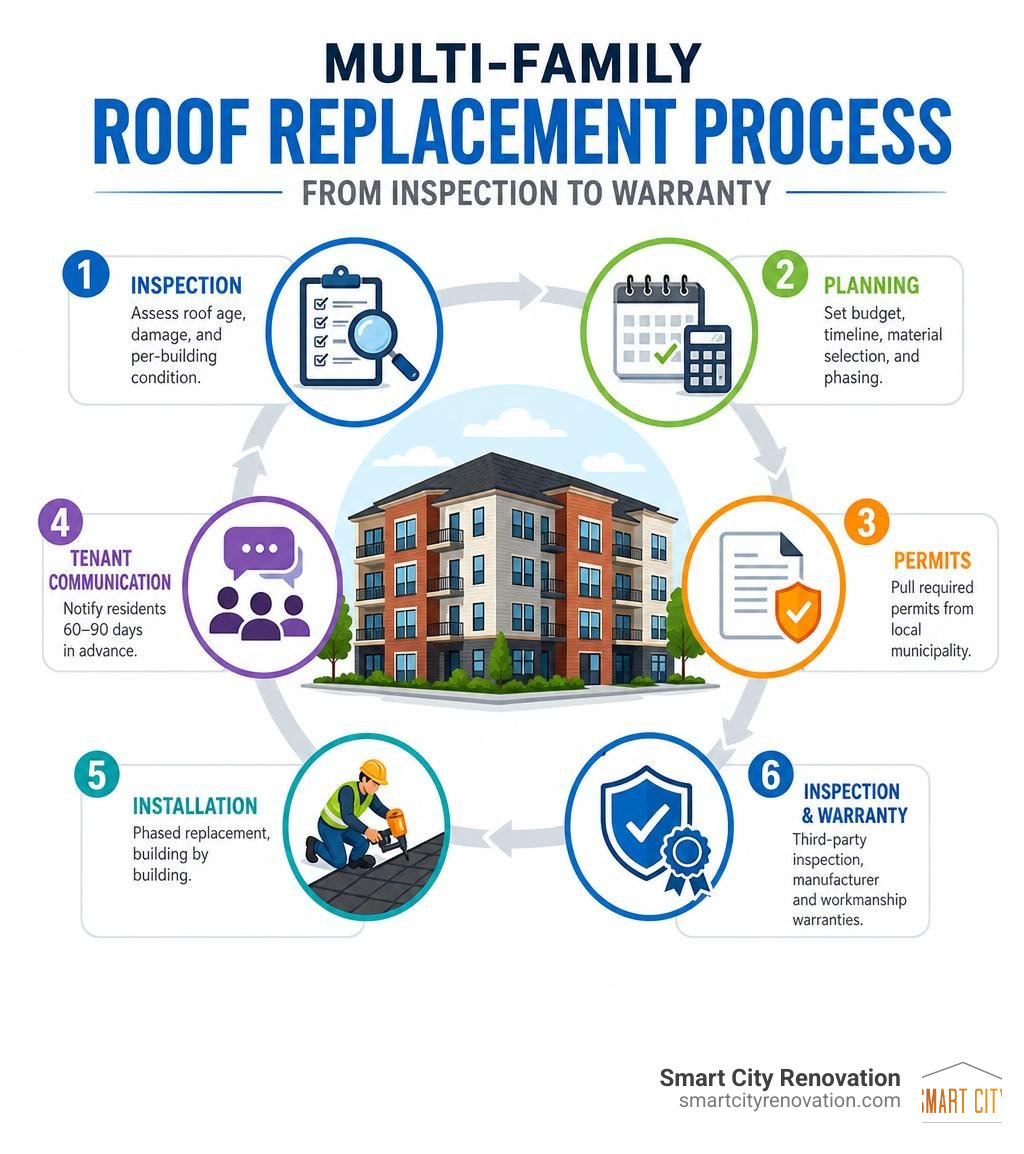
Quick answer: What does multi-family roof replacement involve?
| Step | What Happens |
|---|---|
| 1. Inspection | Assess roof age, damage, and per-building condition |
| 2. Planning | Set budget, timeline, material selection, and phasing |
| 3. Permits | Pull required permits from local municipality |
| 4. Tenant communication | Notify residents 60-90 days in advance |
| 5. Installation | Phased replacement, building by building |
| 6. Inspection & warranty | Third-party inspection, manufacturer and workmanship warranties |
Unlike a single-family re-roof, a multi-unit project means occupied buildings, shared structural systems, parking logistics, and dozens of residents whose daily lives are affected. One missed step in planning can turn a straightforward project into months of complaints and cost overruns.
Asphalt shingle roofs — the most common choice for multi-family properties — typically last 15 to 25 years. When an entire complex is built at the same time, all those roofs age together. That means the bill comes due all at once.
I’m Norbert, a general contractor with 25 years of Chicagoland construction experience, including multi-family roof replacement projects across the Chicago metro area. In this guide, I’ll walk you through everything — from spotting the warning signs early to keeping tenants happy while crews are overhead.
Key terms for multi family roof replacement:
- roofers near me
- professional roofers near me
- leak in roof repair
Signs Your Property Needs a Multi Family Roof Replacement
How do you know when you have crossed the line from needing a simple patch job to requiring a full multi family roof replacement? It is rarely a single flashing leak that triggers a capital expenditure of this scale. Instead, it is a combination of systemic issues that compromise the entire building envelope.
First, look at the calendar. If your multi-family property in Park Ridge or Niles was built or last roofed 20 years ago, your asphalt shingles are likely reaching the end of their design life. Even if they look acceptable from the ground, the protective granules have likely worn away, leaving the asphalt substrate exposed to harsh UV rays and Chicagoland’s brutal freeze-thaw cycles.
Inside the units, warning signs will begin to pop up on tenant maintenance tickets. Water spots on top-floor ceilings, peeling paint near drywall joints, and musty odors in the attic spaces point to serious moisture intrusion. If you are dealing with flat roofs or low-slope structures in Morton Grove, water ponding can lead to structural sagging over time. Structural moisture can quickly spread from parapets down to the masonry walls, causing extensive damage if left unaddressed.
If you are constantly dispatching repair crews to chase down new leaks month after month, you are throwing good money after bad. You can read more about tracking down these interior issues in The Homeowner’s Guide to Fixing That Pesky Roof Leak. If you are managing buildings in Des Plaines, you can also look into Expert Roof Repair in Des Plaines: Restoring Your Home’s Protection to understand local climate challenges, or see how moisture gets trapped in building systems.
Repair vs. Multi Family Roof Replacement Decisions
Deciding between a targeted repair and a full multi family roof replacement comes down to long-term cost-effectiveness and structural integrity.
A patch is great if a single storm blew off a handful of shingles on an otherwise healthy 5-year-old roof. However, if the underlying decking is soft, rotting, or sagging, a repair is just a temporary bandage on a serious structural wound. For a deeper dive into evaluating your system, see The Ultimate Guide to Professional Roof Leak Repair.
From a Capital Expenditure (CapEx) planning perspective, replacing a failing roof adds immediate value to the property, lowers insurance premiums, and eliminates the constant flow of emergency repair bills. If you want to compare your options, take a look at The Ultimate Guide to Roof Repair to see where repairs make sense and where they fall short.
Planning, Budgeting, and Financing the Project
A successful multi-building roof replacement does not start with a hammer; it starts with a spreadsheet. Because these projects represent a massive financial commitment, property managers and HOA boards should begin planning at least 12 months before they want the work to begin.
For your 2026 planning, start by reviewing your property’s reserve studies. Ideally, your capital reserves have been funded over the years to absorb this cost. If there is a shortfall, you will need to explore commercial financing options to avoid hitting homeowners with massive special assessments.
Common financing paths for multi-family properties include:
- SBA 504 Loans: Ideal if the property is owner-occupied or operated as a small business.
- Commercial Cash-Out Refinancing: Leverages the equity built up in the property to fund the construction.
- HELOCs or Commercial Lines of Credit: Useful for phasing the project over multiple years.
- Contractor Payment Plans: Many large-scale commercial roofers offer structured payment terms (e.g., 10% down, 30% at delivery, 30% at midpoint, 25% at completion, and 5% retention) to match your CapEx draw cycles.
Estimating the Cost of Multi Family Roof Replacement
The cost of a multi family roof replacement is driven by total square footage, roof pitch, material choices, and labor rates in the Chicagoland area.
You should also budget a 10% to 15% buffer for “hidden” costs, such as replacing rotted plywood decking that is only discovered after the old shingles are torn off.
Here is a quick look at how common roofing materials compare in cost and expected lifespan:
| Material Type | Average Cost per Sq. Ft. | Expected Lifespan | Best Suited For |
|---|---|---|---|
| Asphalt Shingles | $3.50 – $7.50 | 15 – 25 Years | Steep-slope townhomes, condos, and apartments |
| TPO / EPDM (Flat) | $7.00 – $12.00 | 20 – 30 Years | Low-slope or flat multi-family buildings |
| Metal Roofing | $7.00 – $12.00 | 40 – 50+ Years | Modern architectural styles, high durability needs |
| Tile / Slate | $10.00 – $18.00 | 50 – 100 Years | Luxury properties with heavy load capacity |
Selecting the Best Materials and Upgrades for Multi-Unit Buildings
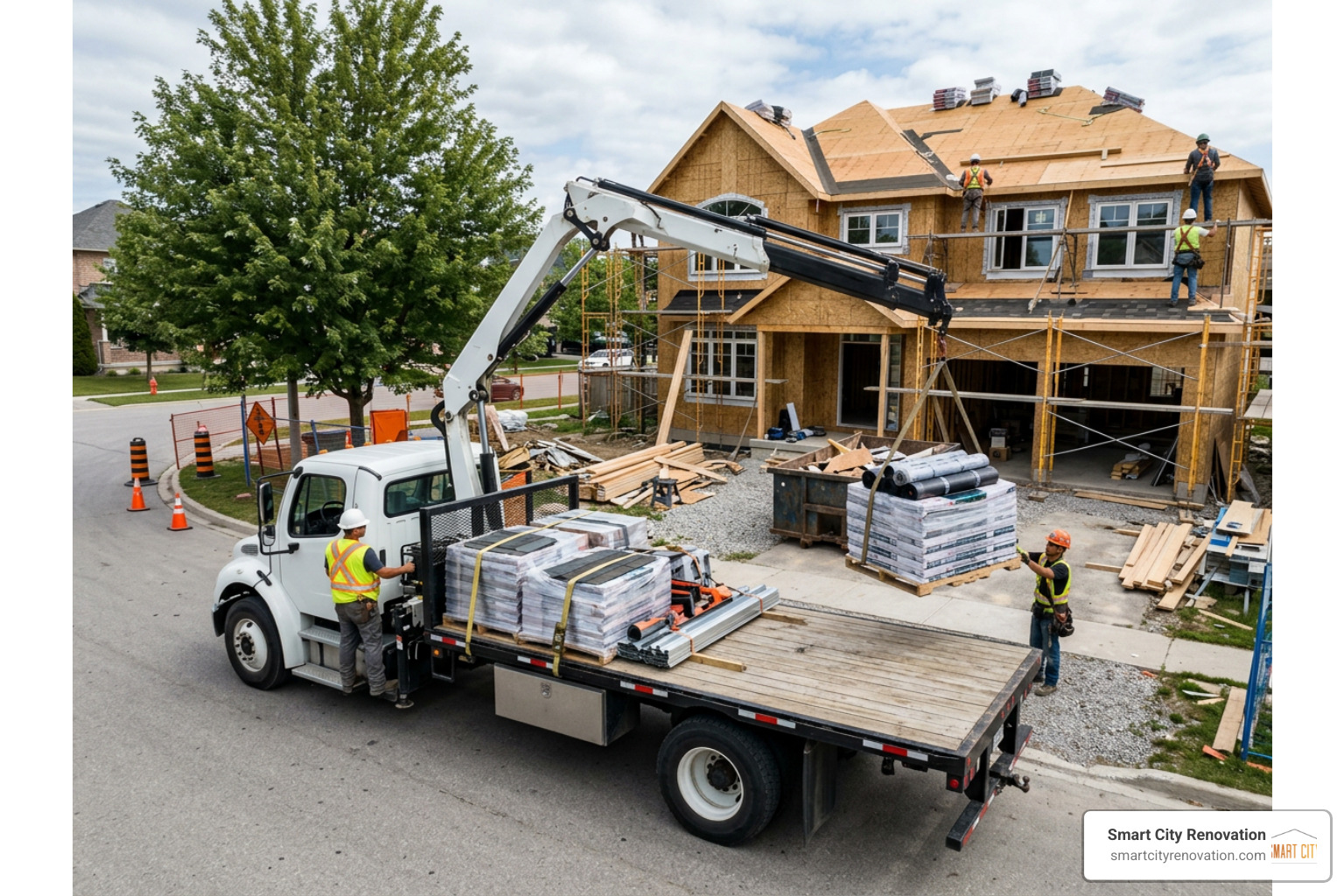
Choosing the right material for your multi-family property depends entirely on the building’s architectural style and roof slope.
For flat or low-slope roofs — common in multi-family buildings in Skokie, Niles, and Rosemont — single-ply membranes like TPO (Thermoplastic Polyolefin) or EPDM (rubber) are the industry standards. They offer incredible waterproofing and reflect UV rays to keep cooling costs down. If you want to see how these commercial materials are maintained, read Industrial Roofers Near Me for Reliable Building Maintenance.
For steep-slope properties like townhomes in Mount Prospect or Glenview, dimensional asphalt shingles offer the best balance of cost, aesthetics, and durability. You can learn more about asphalt shingle standards and industry guidelines from the National Roofing Contractors Association (NRCA).
If you are managing townhomes or apartment complexes in Arlington Heights, investing in high-quality materials ensures long-term durability and curb appeal across your entire property portfolio.
Ventilation and Insulation Upgrades
Do not make the mistake of replacing the shingles while ignoring what is happening underneath them. Upgrading your roof’s ventilation and attic insulation during a tear-off is the absolute best time to do it because the roof deck is fully exposed.
Adding continuous ridge vents and balancing them with intake vents at the soffits helps keep attic temperatures stable. Without proper ventilation, hot air gets trapped in the attic during hot Chicagoland summers, baking your new shingles from below and cutting their lifespan in half. In the winter, poor ventilation and inadequate insulation lead to ice dams, which can cause severe water damage to your gutters and top-floor units.
Managing the Logistics: Timelines, Codes, and Tenant Disruption

A multi-family roofing project is a logistical puzzle. A typical single-family home can be re-roofed in a day or two. A large multi-family property, however, can take anywhere from a week to several weeks per building, depending on the size and architectural complexity.
To keep the project moving smoothly, we use a phased “building flow” strategy. Instead of tearing off the roofs of five buildings at once and leaving them exposed, we complete one or two buildings at a time. This keeps the construction zone contained and minimizes the number of parking spaces blocked by dumpsters and material staging.
Local building codes and permits are another critical piece of the puzzle. Cities like Schaumburg, Palatine, and Buffalo Grove have strict requirements regarding wind-resistance ratings, fire codes, and energy efficiency. We handle all the permitting and coordinate with local inspectors to ensure your new roof is fully compliant with municipal codes.
Minimizing Tenant Disruption and Communication Playbook
The number one source of tension during a multi family roof replacement is not the noise — it is parking and traffic management. If residents arrive home from work to find their assigned parking spaces blocked by a shingle delivery truck, your phone will ring off the hook.
To keep the peace, you need a proactive tenant communication plan. Here are the key communication milestones we recommend:
- 90 Days Out: Send an initial notice to all residents explaining the upcoming project, why it is necessary, and the estimated seasonal window.
- 30 Days Out: Confirm the exact start dates and provide a detailed map showing which parking zones, dumpsters, and common areas will be affected.
- 7 Days Out: Send a final reminder with safety warnings (e.g., keeping children and pets away from work zones, removing fragile items from patios, and moving vehicles out of the construction zone).
- Daily Updates: Keep residents informed of daily progress, especially when crews are moving from one building to the next.
Our on-site project managers handle the day-to-day coordination and perform a daily magnetic sweep of the grounds to collect stray nails, ensuring your residents’ tires stay safe.
Insurance Claims, Warranties, and Contractor Selection
Wind and hail account for a staggering 40.7% of all property insurance claims in the United States, and Chicagoland properties are no exception. If your roofs were damaged in a recent storm, your commercial property insurance may cover a significant portion of the replacement costs.
When filing a claim, make sure to work with a commercial roofing specialist who can provide detailed photographic evidence and metered damage reports to support the claim with your adjuster. This ensures that all storm-related issues, from wind-uplifted shingles to hail-bruised membranes, are fully documented for your insurance provider.
When reviewing proposals, pay close attention to the warranties. You want to look for two types of coverage:
- Manufacturer Warranties: These cover material defects and can range from 20 to 50 years.
- Workmanship Guarantees: These are provided by the contractor and cover installation errors. For a project of this scale, look for a workmanship guarantee of at least 5 to 10 years.
To protect your investment, always hire a fully licensed, bonded, and insured contractor with proven experience in commercial and multi-family projects. You can find out what to look for in a qualified team by reading The Best Certified Roofers Near Me for Peace of Mind and Why Professional Roofers Near Me Are Worth the Investment.
Frequently Asked Questions about Multi-Family Roofing
How long does a multi-family roof replacement take?
A single building with 4 to 12 units typically takes 5 to 10 working days to complete. For a larger complex with multiple buildings, the project is completed in phases and can take anywhere from three weeks to two months, depending on weather conditions and architectural complexity.
Will tenants need to vacate during the roofing process?
No, tenants do not need to vacate their units. All work is done from the exterior during standard daytime working hours. However, residents should expect construction noise during work hours and should take extra care when entering and exiting the buildings.
Does commercial property insurance cover multi-family roof replacement?
If the roof replacement is required due to sudden storm damage, such as a major hail event or high winds, your commercial property policy will typically cover the cost (minus your deductible). However, insurance does not cover replacements due to normal wear and tear, age, or lack of maintenance.
Conclusion
A multi family roof replacement is a massive undertaking, but with the right planning, clear communication, and a highly experienced contractor, it does not have to be a headache. Taking a proactive approach to your property’s roof protects your physical asset, keeps your tenants happy, and secures your investment for the next two decades.
At Smart City Renovation, we bring 25 years of local Chicagoland expertise to every multi-family project we handle. Whether your property is in Des Plaines, Arlington Heights, Schaumburg, or Glenview, we understand the local building codes, weather challenges, and logistical needs of multi-unit communities.
Ready to secure your property’s future? Schedule a consultation with a professional roofing contractor today, and let us help you plan a smooth, stress-free roof replacement.